When History Gets Dangerous: The Price of Challenging Myths
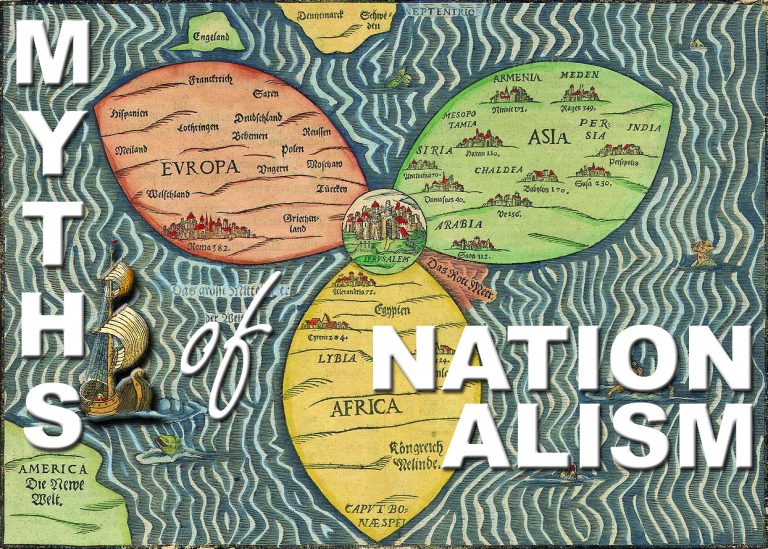
History is often seen as a quiet field, populated by scholars dusting off archives in silent libraries. But in an age of rising nationalism and identity politics, historical scholarship can become a high-stakes, high-risk endeavor. When a historian’s evidence contradicts a state-sanctioned or populist narrative, the backlash can be swift, vicious, and dangerously personal. This is not a theoretical threat; it is the daily reality for scholars like Audrey Truschke and many others worldwide who dare to challenge nationalist myths. Their stories reveal the steep human and professional price of defending evidence-based history against the weaponized past.
The Battleground: When History Becomes a Nationalist Dogma
Nationalist movements, whether Hindutva in India, neo-Ottomanism in Turkey, or certain strains of patriotic history in the US, often construct a simplified, heroic, and monolithic version of the past. This version serves a clear political purpose: to foster unity, legitimize current power structures, and identify an "other"—whether internal minorities or external rivals.
In this environment, the historian's task of nuance, context, and critical inquiry becomes a direct threat. As Truschke explains regarding her work on the Mughal emperor Aurangzeb, the nationalist narrative requires him to be a "anti-Hindu genocidal maniac." Presenting a complex, archive-driven portrait that disrupts this caricature isn't seen as scholarship; it's perceived as an attack on the nation itself.
"The Hindutva hatred of the past," Truschke notes, "stems from shame. They're ashamed of South Asian history... and they use the past as a foil for the present. That's an abuse of history." Challenging this abuse makes the historian a target.
The Arsenal of Intimidation: How Backlash Manifests
The retaliation against historians who challenge nationalist myths is multi-pronged, designed to silence, discredit, and punish.
1. The Torrent of Online Hate and Harassment
For public-facing scholars, especially women, this is often the first and most relentless wave. It includes:
- Vile, Gendered, and Religious Abuse: Truschke’s social media and inbox are flooded with misogynist slurs, anti-Semitic tropes (targeting her Jewish heritage), and graphic threats of sexual violence.
- Threats to Family: Harassers often target a scholar's children and parents, amplifying the emotional terror. Truschke has shared tweets wishing death upon her young daughters.
- Organized Trolling: These are not isolated incidents but often coordinated campaigns by online mobs, aiming to overwhelm and intimidate.
2. Professional and Institutional Sabotage
- Censorship and Legal Threats: In India, laws like criminal defamation and those promoting "religious sentiments" are used to pressure publishers. Truschke’s books, including Aurangzeb, have undergone mandatory "legal reads" for Indian editions, resulting in altered language (e.g., changing "Hindutva extremists" to "violent nationalists").
- Cancellation of Talks and Events: Scholars are disinvited from conferences, or events are canceled under pressure from nationalist groups, denying them academic platforms.
- Smear Campaigns: Efforts are made to paint the scholar as "anti-national," "paid," or mentally unstable, destroying their credibility in the public eye.
3. Real-World Violence and Security Threats
The virtual hate spills into tangible danger.
- Need for Armed Security: Truschke has required armed protection for public lectures, both in India and the United States, due to credible threats.
- Travel Restrictions: The fear of vigilante violence—which the state often overlooks or tacitly encourages—has made travel to India untenable for her. "I think traveling to India would be fairly ill-advised for me right now," she states bluntly.
- Police Reports: Scholars are forced to spend time and emotional energy filing official reports against anonymous threats, a draining and often futile process.
The Chilling Effect: The Cost to Academia and Public Knowledge
This intimidation has consequences far beyond the individual.
- Silencing a Generation: Young scholars, particularly women and those from minority backgrounds, see this treatment and may opt for safer, less controversial research topics or leave academia altogether. The field loses diverse voices and critical perspectives. Truschke warns colleagues: "If you are not speaking to your graduate students... about this sort of stuff, you are doing them a grave disservice."
- Corruption of Scholarship: When historians self-censor to avoid backlash, the historical record itself is impoverished. Important but inconvenient truths remain unspoken. As Truschke describes with her Shivaji chapter, "historical information... very unpalatable to some modern defenders" was removed from her Indian edition.
- Erosion of Public Discourse: The space for informed, nuanced public debate shrinks. When experts are hounded into silence or their work is distorted, the public is left with only the nationalist myth, fueling further polarization and ignorance.
Why Do They Persist? The Historian's Ethic in the Face of Hate
In the face of such costs, why do scholars like Truschke continue?
The answer lies in a core professional and ethical commitment. For these historians, the pursuit of evidence-based truth is not just an academic exercise; it is a moral imperative with direct relevance to contemporary justice.
1. History is a Shield for the Vulnerable: Truschke directly links the myth of the "anti-Hindu" Aurangzeb to violence against modern Indian Muslims: "Aurangzeb comes into this because he's a dog whistle... It's okay to oppress them, it's okay to kill them." Demolishing the historical myth is part of dismantling the ideology that enables present-day persecution.
2. A Duty to the Past and Future: Historians see themselves as stewards of a complex human past. Allowing it to be flattened into propaganda is a betrayal of that duty. They write for the future, to ensure that a richer, truer record survives the political battles of the present.
3. The Power of the Platform: Despite the risks, scholars like Truschke choose public engagement because they believe the platform they have carries responsibility. "We should use our expertise... to draw attention to a series of worsening situations," she argues. To retreat would be to cede the public square entirely to myth-makers.
Conclusion: History as an Act of Courage
The ordeal of historians under fire reveals a stark truth: in many parts of the world, doing history honestly is an act of courage. It requires resilience against daily torrents of hate, a willingness to accept personal risk, and an unwavering belief in the value of truth over tribal comfort.
The battle is asymmetrical. Historians fight with footnotes and archives; their opponents wield the blunt instruments of harassment, censorship, and violence. Yet, as Truschke reflects, the intimidation hasn't stopped her: "I assume Hindu nationalists have figured out by now that this isn't going to stop me. I don't bow to hatred."
Supporting these scholars—by citing their work, calling out harassment, defending academic freedom, and understanding the human cost behind their books—is crucial. In defending the right to a complex past, we defend the possibility of a more just and truthful present. The price of challenging nationalist myths is high, but the price of letting those myths go unchallenged is infinitely higher.
Comments (Write a comment)
Showing comments related to this blog.