It's Not You, It's Them: 5 Steps to Crafting a Unique Character Voice
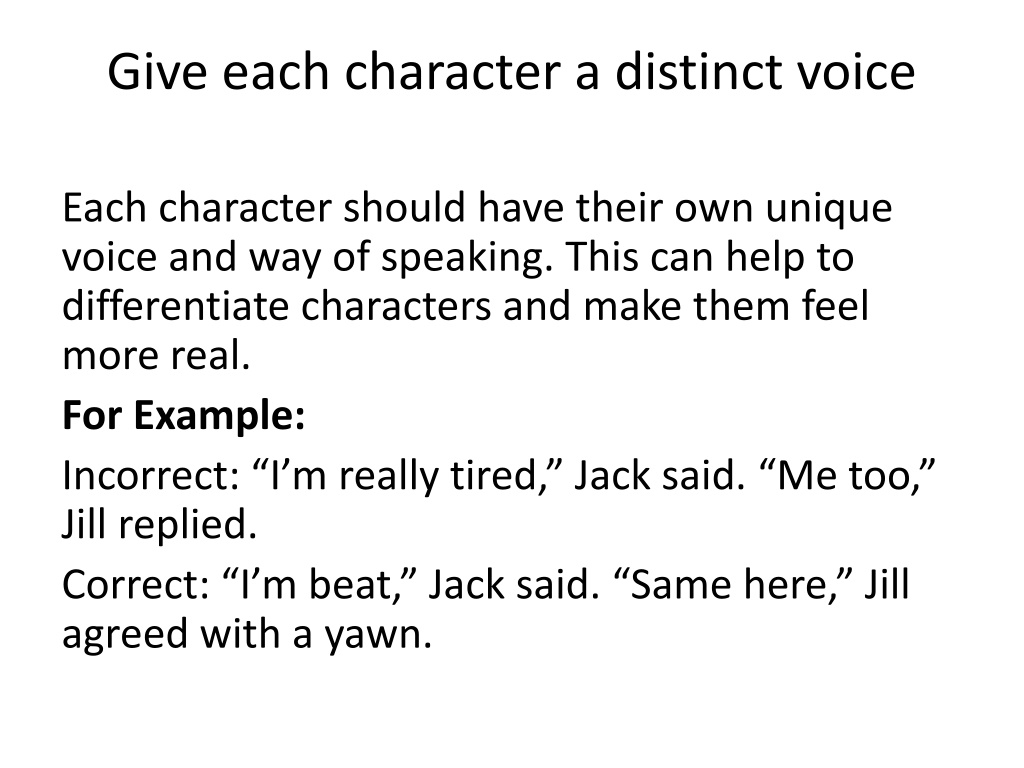
(Intro)
Have you ever read a book where every character—the grizzled detective, the bubbly barista, the wise old mentor—sounds exactly the same? Or worse, they all sound exactly like the author? This is one of the most common pitfalls in fiction, and it flattens a story faster than anything.
A compelling character voice isn't just about what a character says; it's about how they say it, how they think, and how they see the world. It’s the difference between a narrator telling a story and the character living it.
If you're tired of your characters all sounding like slightly different versions of you, follow these five steps to unlock voices that are distinctly, uniquely theirs.
Step 1: Understand Their Core Personality (Go Deeper Than "Funny" or "Shy")Voice doesn't come from a list of surface-level traits. It springs from a character's fundamental beliefs, fears, and worldview. My secret weapon for this is the Enneagram, a personality system that defines nine core types based on underlying motivations, not just behaviors.
- Why it works: Knowing a character is an "Enneagram 7" (The Enthusiast) tells you they are adventurous, fun-loving, and avoid pain. Their voice will be optimistic, fast-paced, and focused on the next exciting thing. An "Enneagram 3" (The Achiever), however, is driven by a need for success and validation. Their voice will be focused, image-conscious, and results-oriented.
- Your Turn: Don't just say your character is "an introvert." Ask why. Are they an introvert because they're suspicious of people (Enneagram 6)? Or because they're lost in their own rich inner world (Enneagram 4)? The reason will shape their voice entirely.
A "voice" can feel abstract. Make it concrete by creating a quick-reference cheat sheet for each point-of-view character. Include:
- Demographics: Age, upbringing, education, vocation.
- Personality Type: Their Enneagram or core motivator.
- Speech Patterns: Do they use long, flowing sentences or short, clipped ones? What's their favorite curse word or exclamation?
- Worldview: How do they see the world? Is it a chessboard, a playground, or a battlefield?
- Vocabulary & Metaphors: What kind of metaphors would they use? A sailor might say "weather the storm," while a chef might say "simmer down."
Example:
- Character A (The Lawyer): Clipped, confident, uses logic and sarcasm. Metaphors from law and chess. Sees the world as a courtroom.
- Character B (The Farmer): Wholesome, earnest, talks with his hands. Metaphors from nature and animals. Sees the world as a community.
A perfect character has a boring voice. Weave their negative traits and idiosyncrasies into their voice to make it pop.
- A suspicious character will constantly assume others have ulterior motives.
- A selfish character's internal monologue will always circle back to "what's in it for me?"
- An oblivious character will miss social cues and focus on irrelevant details.
This shows us who they are without a single line of telling. We hear their flaws in their thoughts and words.
Step 4: Listen to People Who Sound Like Your CharacterThe fastest way to break out of your own voice is to get another one stuck in your head. Find a real person, a YouTuber, or a movie character whose energy, accent, or speech pattern matches your character's.
- The Goal: Not to plagiarize, but to absorb the rhythm and attitude of their speech.
- The Method: Listen to a 10-minute clip of them talking before you write a scene from your character's point of view. You'll be amazed at how your prose and dialogue naturally shift to match the "sound" in your head.
Forget choosing music to match the scene's mood. Instead, choose music that embodies your character's vibe.
- Why it works: This technique changes the tone of your writing itself. If you're writing a gritty action scene from the perspective of a light-hearted comic relief character, listening to a quirky, upbeat soundtrack will ensure the description of the carnage is filtered through their humorous, irreverent perspective.
- Your Turn: Create a playlist for each POV character. Press play the moment you start writing their chapters to instantly lock into their unique frequency.
A powerful way to check if you've succeeded is to write a scene where multiple characters argue or converse without any dialogue tags (he said, she groaned) or descriptive beats.
If a reader can still tell who is speaking just by the content and style of their speech—the length of their sentences, their vocabulary, their rhythm, their focus—then you have truly mastered character voice.
(Conclusion)
Crafting a unique character voice isn't a mystery; it's a process. It requires moving beyond your own default settings and making deliberate choices about personality, diction, and worldview. By following these five steps—from deep personality analysis to creating a character-specific soundtrack—you can ensure that every voice in your story is not an echo of your own, but a vibrant, distinct individual that your readers will recognize instantly.
So, put on that playlist, open that cheat sheet, and let them do the talking.
Comments (Write a comment)
Showing comments related to this blog.