"Laugh in the Face of Cannibals": The Power of Counter-Intuitive Character Reactions
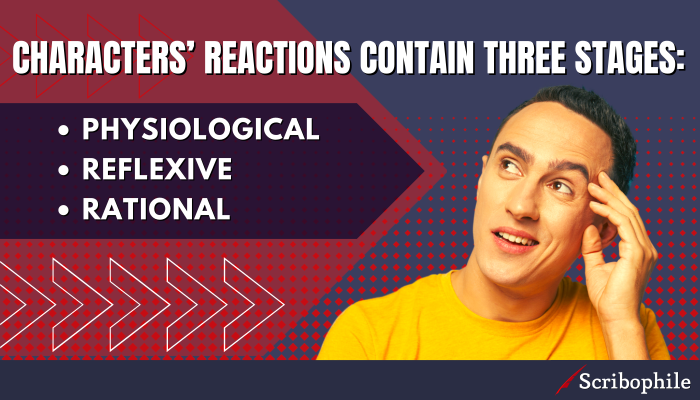
(Intro)
Imagine this: your characters have just escaped a terrifying encounter with cannibals. They're running for their lives, hearts pounding, fueled by adrenaline and fear. How do they react?
The predictable, clichéd response is heavy breathing, panic, and maybe a desperate glance backward. It's what anyone would do. But "anyone" is not who you're writing about. You're writing about someone specific.
What if, in that moment of sheer terror, one of them starts to laugh?
This is a technique famously highlighted from David Benioff's novel City of Thieves. A character laughing in the face of imminent, gruesome death isn't just a quirky detail—it's a masterclass in characterization. Let's explore why counter-intuitive reactions are one of the most powerful tools you can use to make a character leap off the page.
Why "Predictable" is the Enemy of "Memorable"When a character reacts to an event in the exact way the reader expects, you accomplish two things:
- You confirm the reader's assumptions.
- You teach the reader that your character is not particularly unique.
A predictable reaction gives us zero new information about the character's personality. It simply tells us they are human. Your goal is to show us what kind of human they are.
A counter-intuitive reaction, however, is a lightning bolt of insight. It forces the reader to sit up and pay attention. It makes them ask, "Who is this person that they would react this way?"
The Psychology of the Counter-Intuitive ReactionIn real life, people rarely react in textbook ways. We laugh at funerals. We get angry at good news. We freeze when we should run. These incongruent reactions are often the most honest, revealing our deepest coping mechanisms, fears, or personality disorders.
In fiction, harnessing this reality does three crucial things:
- It Reveals Deep Character: A laugh after a brush with death doesn't just mean "he's happy to be alive." It might mean he's a fatalist, an adrenaline junkie, in a state of hysterical shock, or possesses a dark, gallows humor that defines his worldview. The reaction is a window into his soul.
- It Creates Instant Memorability: The cannibal-laugher is a character you don't forget. He stands out from the thousands of other protagonists who simply grit their teeth and move on.
- It Avoids Cliches: By bypassing the expected reaction, you automatically steer your story away from tired, overused tropes and into fresher, more original territory.
This technique is powerful, but it must be used with precision. A random, unmotivated weird reaction will just confuse the reader. Here’s how to do it right:
1. Ground it in Personality.
The reaction must be an exaggeration or a surprising extension of a trait you've already established, or one you are establishing in that very moment.
- The Control Freak: Upon receiving disastrous news, they calmly start cleaning their already-spotless apartment. This shows their need for order in a chaotic world.
- The Cynic: When presented with a moment of great beauty or kindness, they make a sarcastic joke. This reveals their discomfort with vulnerability.
- The Optimist: In a dire, seemingly hopeless situation, they point out one small, positive detail. This highlights their defining worldview.
2. Use it Sparingly for Maximum Impact.
If every reaction is counter-intuitive, the technique loses all its power and the character becomes an unpredictable, chaotic mess. Reserve it for key, high-stakes moments where you want to reveal a significant layer of the character's psyche.
3. Ensure it Serves the Story.
The reaction shouldn't just be a random "gotcha" moment. It should affect the other characters, the immediate plot, or the reader's understanding of what might happen next.
- How do the other characters respond to the laughter? Are they horrified? Do they join in?
- Does this reaction give them a crucial insight that helps them solve a problem later?
- In The Hunger Games, Katniss Everdeen's reaction to her sister's name being called is not to scream, but to volunteer. This counter-intuitive, self-sacrificing act defines her entire character and the series.
- In The Lord of the Rings, when Boromir tries to take the Ring, Frodo's reaction is not to fight or plead, but to put on the Ring and disappear. This shows his growing wisdom and understanding of the Ring's power, choosing flight over a futile fight.
- In Breaking Bad, Walter White often responds to mortal threats not with fear, but with a cold, calculated confidence. This reveals his transformation into Heisenberg.
(Conclusion)
Anyone can write a character who is scared of cannibals. It takes a skilled writer to create a character who laughs at them. By moving beyond the predictable and embracing the power of the counter-intuitive reaction, you stop telling the reader who your character is and start showing them in the most vivid, unforgettable way possible.
Challenge yourself in your next scene. Before you write the obvious reaction, pause. Ask: "What would my character truly do here? What reaction would reveal the most about their unique heart and mind?" The answer might just be the key to unlocking your most compelling character yet.
Comments (Write a comment)
Showing comments related to this blog.