The Impact of Social Media on Youth Development
Introduction
In the digital age, social media has become a powerful force shaping how young people communicate, learn, and develop their identities. Platforms such as Facebook, Instagram, TikTok, and YouTube are now part of everyday life for millions of teenagers.
Today’s youth spend significant time online connecting with friends, sharing ideas, and consuming information. While social media offers many opportunities for creativity and communication, it also raises concerns about mental health, academic performance, and social behavior.
Understanding the impact of social media on youth development is essential for parents, educators, and policymakers who want to ensure that technology supports healthy growth rather than harming it.
Social Media Usage Among Youth: Key Statistics
Recent studies reveal how deeply social media has integrated into youth culture:
- Nearly 90% of teenagers use YouTube, making it the most popular platform among teens.
- About 60% of teens use Instagram and TikTok regularly.
- Around 45% of teens say they spend too much time on social media.
- 74% of teens say social media helps them feel more connected with friends.
- In Bangladesh, young people may spend 5–8 hours per day on social media platforms.
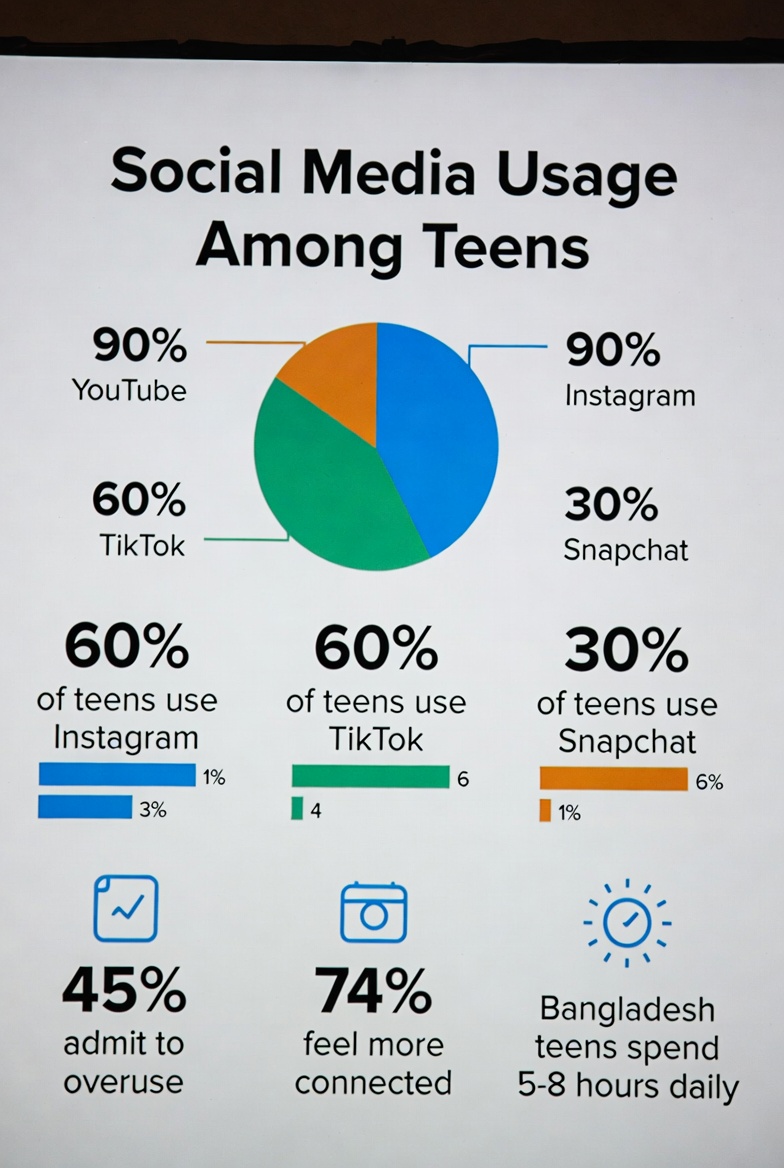
These statistics highlight the massive role social media plays in shaping youth behavior and development.
Positive Impact of Social Media on Youth Development
1. Improved Communication and Social Connections
Social media allows young people to stay connected with friends and family regardless of geographical distance.
Benefits include:
- Instant communication
- Global friendships
- Stronger peer support networks
- Collaborative learning communities
Research shows that 74% of teens feel more connected to their friends through social media.
Example
Students working on group projects can easily share ideas through messaging apps, social media groups, and collaborative tools.
2. Educational Opportunities
Social media platforms are increasingly used for educational purposes.
Students can:
- Watch educational videos
- Join online study communities
- Access free learning resources
- Follow experts and educators
For example, many students learn new skills through tutorial videos and online discussions.
3. Creativity and Self-Expression
One of the most significant advantages of social media is that it provides a platform for creativity.
Young users can express themselves through:
- Videos
- Digital art
- Blogging
- Photography
- Music creation
Around 63% of teens say social media allows them to showcase their creativity.
4. Awareness and Social Activism
Social media has empowered youth to become active participants in social and political issues.
Examples include:
- Climate change campaigns
- Online petitions
- Awareness movements
- Community volunteering initiatives
Young people can learn about global issues and mobilize support through online networks.
Negative Impact of Social Media on Youth Development
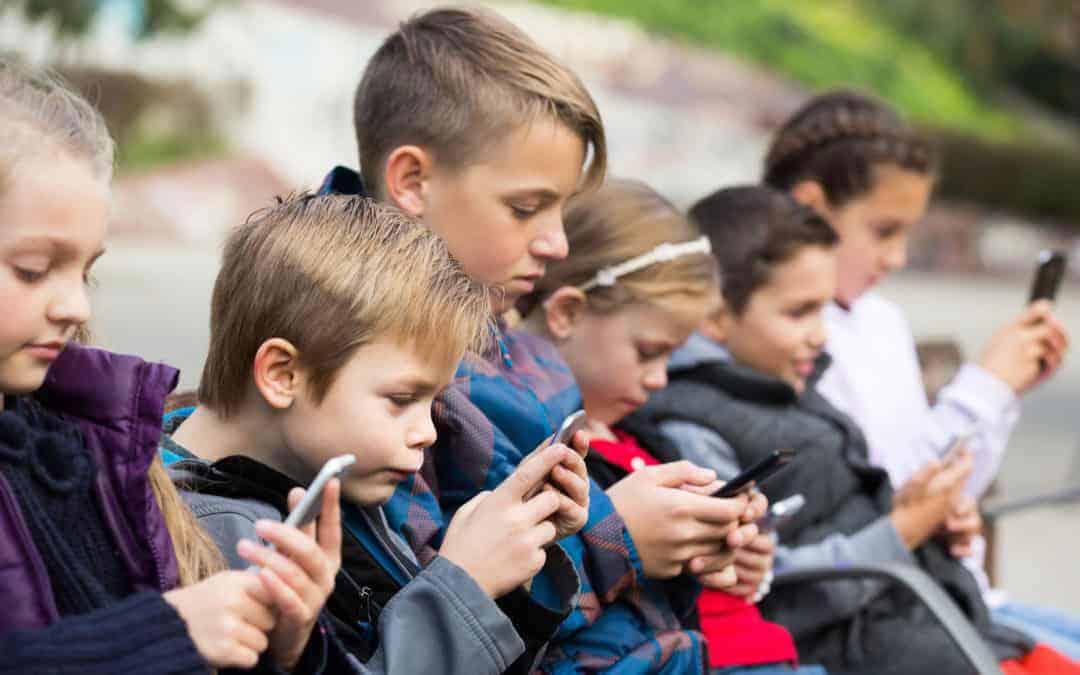
Despite its benefits, excessive social media use can create serious challenges.
1. Mental Health Issues
Many experts warn that overuse of social media may lead to:
- Anxiety
- Depression
- Low self-esteem
- Fear of missing out (FOMO)
Studies show that about 19% of teens believe social media harms their mental health.
Additionally, constant comparison with others’ curated online lives may lead to unrealistic expectations and self-doubt.
2. Sleep Disruption
Late-night scrolling and excessive screen time can affect sleep patterns.
About 45% of teenagers say social media harms their sleep quality.
Poor sleep can negatively affect:
- Academic performance
- Emotional regulation
- Physical health
3. Cyberbullying
Cyberbullying is one of the most serious online risks for young users.
Common forms include:
- Online harassment
- Hurtful comments
- Public humiliation
- Fake rumors
In Bangladesh, a youth survey found that misinformation and bullying are major stress factors on social media.
4. Reduced Face-to-Face Interaction
Heavy social media use may reduce real-life social interaction and communication skills.
Experts warn that excessive screen time may contribute to:
- Social isolation
- Poor interpersonal skills
- Reduced empathy
Graph: Social Media Impact on Teen Life
Explanation
The graph shows how social media influences different aspects of youth life. While creativity and friendships benefit significantly, sleep quality and mental health are areas where negative impacts are more common.
Practical Strategies for Healthy Social Media Use
Parents, teachers, and young users themselves can take steps to promote healthy digital habits.
Recommended Strategies
- Set daily screen time limits
- Encourage offline activities
- Promote digital literacy education
- Monitor online interactions
- Teach critical thinking about online content
Balanced use of social media can maximize benefits while reducing risks.
Case Study: Social Media Use in Bangladesh
In Bangladesh, social media usage among youth has grown rapidly.
Key insights:
- Over 45 million social media users exist in the country.
- Most users are under 30 years old.
- Teenagers may spend 5–8 hours daily online.
While social media helps youth stay connected and informed, psychologists warn that excessive usage may lead to mental health challenges and reduced academic performance.
Frequently Asked Questions (FAQs)
1. How does social media affect youth development?
Social media affects youth development by influencing communication skills, emotional well-being, learning opportunities, and social behavior.
2. What are the benefits of social media for teenagers?
Benefits include:
- Global communication
- Educational resources
- Creativity and self-expression
- Awareness of social issues
3. What are the risks of social media for young people?
Major risks include cyberbullying, addiction, misinformation, sleep disruption, and mental health problems.
4. How much social media use is healthy for teens?
Experts often recommend moderate use (1–3 hours per day) combined with offline activities such as sports, hobbies, and family time.
5. How can parents protect children online?
Parents can protect children by:
- Monitoring online activity
- Teaching digital safety
- Encouraging open communication
- Setting clear screen time rules
Conclusion
Social media has become an integral part of modern youth culture. Its influence on communication, creativity, education, and social awareness is undeniable. However, the impact of social media on youth development is complex.
While these platforms provide opportunities for connection and learning, excessive or uncontrolled use can lead to mental health challenges, cyberbullying, and reduced real-life interactions.
The key lies in balanced and responsible usage. By promoting digital literacy, encouraging offline activities, and setting healthy boundaries, society can help young people harness the positive power of social media while minimizing its risks.
👉 Parents, educators, and policymakers must work together to create a safe and supportive digital environment for the next generation.
Credible Sources
- Pew Research Center – Teens, Social Media & Mental Health
- https://www.pewresearch.org
- Pew Research Center – Teens, Social Media and Technology 2024
- https://www.pewresearch.org
- UNICEF Youth Poll on Social Media Stress
- https://www.unicef.org
- WHO Report on Teen Screen Use and Mental Health
- https://www.who.int