The Impact of Smartphones on Society
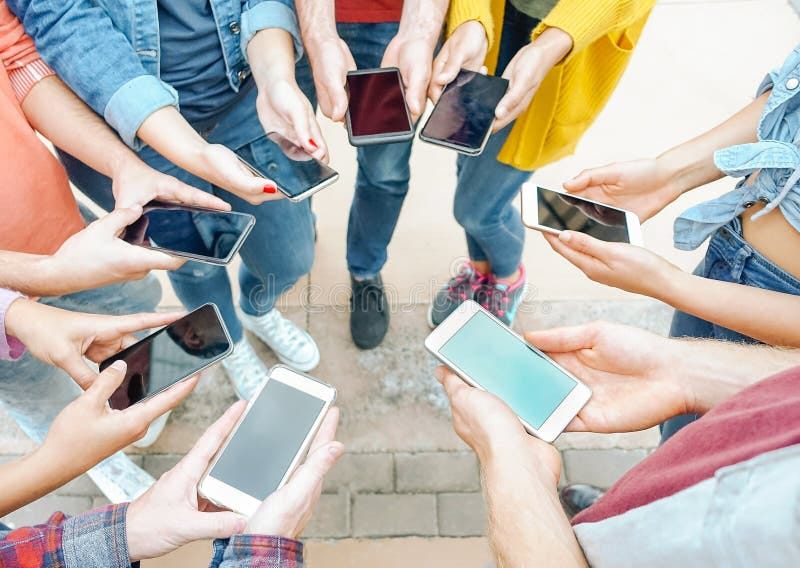
In 2026, smartphones are no longer optional gadgets — they are essential tools woven into the fabric of daily life for over 5.65 billion people worldwide. These powerful devices have transformed communication, education, commerce, and entertainment, creating both unprecedented opportunities and notable challenges. Understanding the impact of smartphones on society is critical for individuals, families, educators, and policymakers seeking to harness their power responsibly.
This comprehensive guide examines the latest 2026 statistics, real-world examples, benefits versus drawbacks, and actionable strategies to navigate this digital transformation.
Global Smartphone Adoption: The Numbers Behind the Revolution
Smartphone ownership has reached a historic milestone. As of early 2026, approximately 5.65 billion people — about 70.1% of the global population — own a smartphone. This represents massive growth from 3.77 billion in 2023.
The average person now spends 4 hours and 37 minutes per day on their smartphone, with higher figures in countries like the United States (over 5 hours).
Mobile technologies contributed $7.6 trillion to the global economy in 2025 (6.4% of GDP), with projections continuing upward through AI and 5G integration.
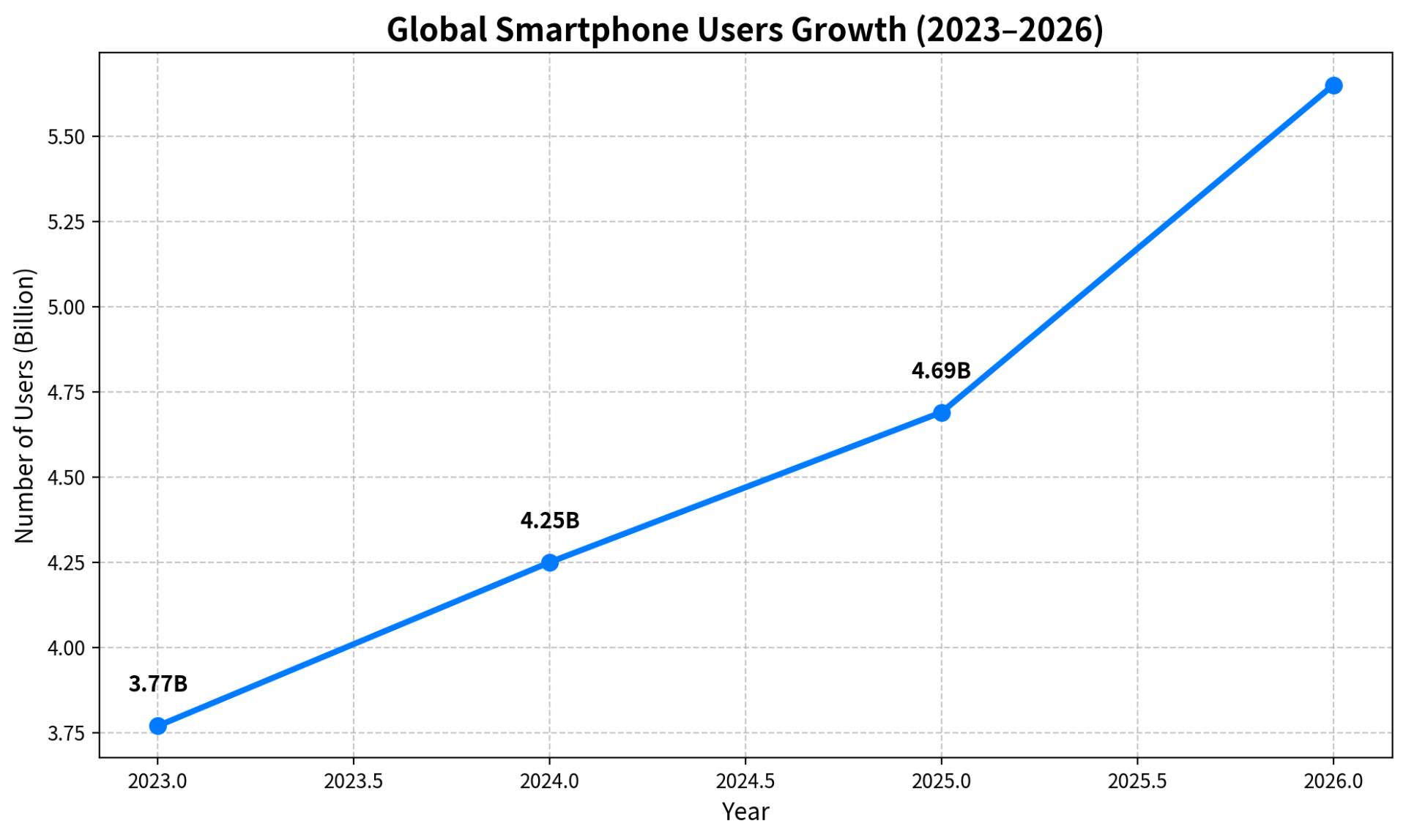
Chart Explanation: This line graph tracks global smartphone user growth from 3.77 billion in 2023 to 5.65 billion in 2026. The upward trajectory underscores rapid digital inclusion, particularly in emerging markets, and highlights why the impact of smartphones on society continues to accelerate.
Positive Impacts: How Smartphones Are Empowering People Worldwide
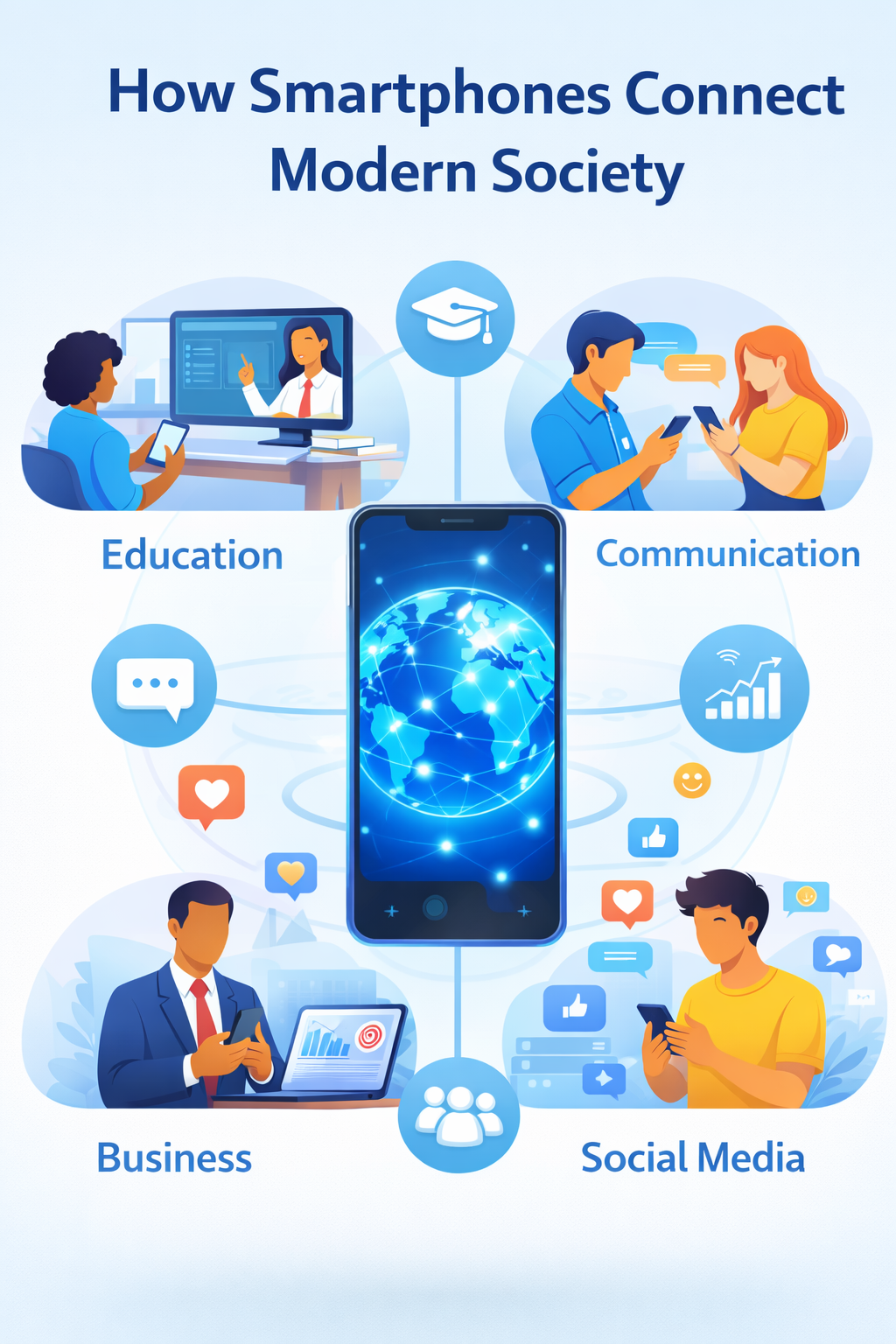
The impact of smartphones on society shines brightest in connectivity, economic opportunity, and access to knowledge.
- Global Communication: Video calls, instant messaging, and social apps bridge distances, keeping families and communities connected in real time.
- Economic Empowerment: Smartphones enable mobile banking, e-commerce, and gig economy jobs, lifting millions out of poverty.
- Education Revolution: Free learning apps, online courses, and instant research tools make quality education accessible even in remote areas.
- Health and Productivity: Fitness trackers, telehealth platforms, and productivity apps help users manage wellness and work efficiently.
Surveys consistently show majorities viewing smartphones as net positives for education and economic growth.

499 Phones Millennials Stock Photos - Free & Royalty-Free Stock Photos from Dreamstime
Image Caption: Diverse young adults from different backgrounds smiling while using smartphones together — a vivid example of the positive social connectivity created by the impact of smartphones on society. Alt Text: Group of multicultural friends holding colorful smartphones and laughing in a bright studio setting.
Smartphone Usage Growth (Simple Graph)
Global Smartphone Users (Billions)
2018 | █████ 4.5
2020 | ██████ 5.2
2022 | ███████ 6.1
2024 | ████████ 6.8
2026 | █████████ 6.9+
Graph Explanation
The chart shows consistent growth in smartphone adoption worldwide. This upward trend highlights how central mobile technology has become in everyday life.
Challenges and Risks: The Darker Side of Constant Connectivity
While transformative, the impact of smartphones on society also includes significant downsides that require attention.
- Mental Health Concerns: Excessive use is linked to higher rates of anxiety, depression, and sleep disruption. Adults with over 5 hours of daily screen time face nearly 3 times the depression risk.
- Addiction and Isolation: 57% of Americans admit phone addiction, often leading to reduced face-to-face interactions and nomophobia (fear of being without a phone).
- Distraction in Key Areas: Phones in classrooms and workplaces can lower focus and productivity; some studies show clear benefits from usage limits.
- Privacy, E-Waste, and Inequality: Data security issues, rapid device obsolescence, and the digital divide remain pressing concerns.
Balancing these challenges is essential for a healthier society.
Real-World Examples and Case Studies
- Women’s Economic Empowerment in Developing Regions: Programs distributing smartphones to women in low-income communities have boosted household income through better market access and mobile money services, demonstrating clear poverty-reduction potential.
- Remote Learning Success: During global disruptions, smartphones enabled millions of students to continue education via apps and video platforms.
- School Phone Policies: Institutions implementing phone-free zones or bans report improved academic performance, better focus, and fewer behavioral issues.
These examples prove that the impact of smartphones on society depends heavily on how we choose to integrate them.
Conclusion: Shaping a Balanced Future
The impact of smartphones on society in 2026 is overwhelmingly positive when used intentionally. From connecting billions to fueling economic growth and democratizing knowledge, smartphones have changed the world for the better. Yet mental health risks, distraction, and inequality remind us that technology is a tool — not a master.
The solution lies in balance: set screen-time boundaries, prioritize real-world relationships, and advocate for responsible design. Families, schools, and governments all play a role in guiding healthier habits.
Call to Action: Audit your own smartphone use this week. Try a one-day digital detox and observe the difference in focus and well-being. Share this guide with your network to promote smarter technology habits together.