How to Write "The Strongest" Character (Without Breaking Your Story)
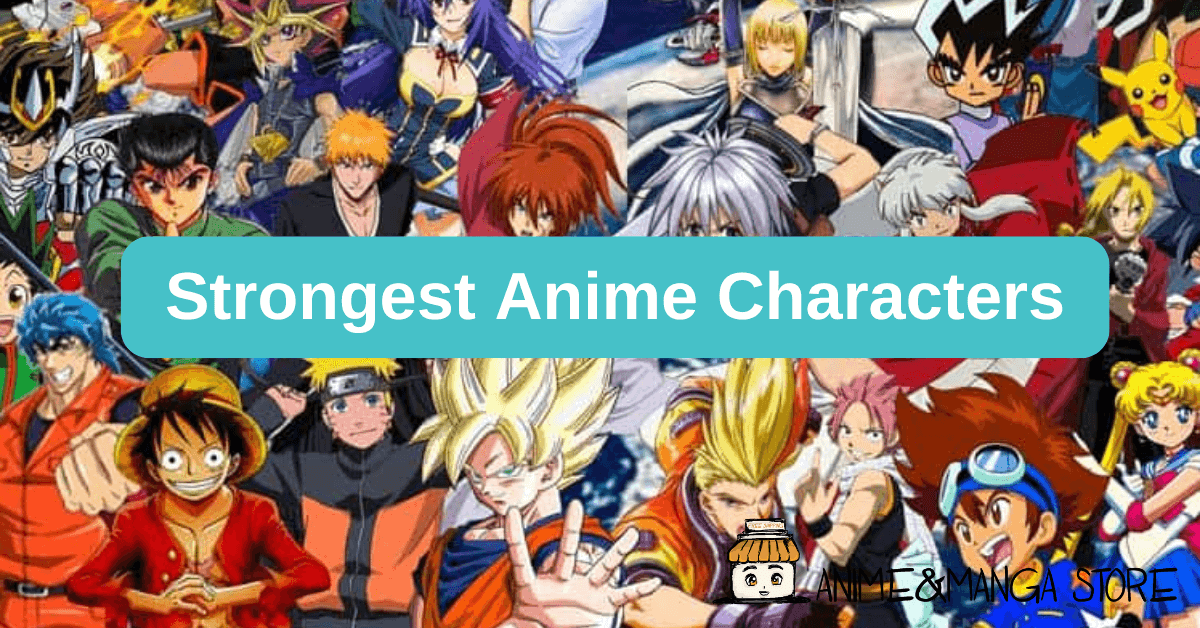
The Paradox of Power: Why "Strongest" Characters Often Fail
Every writer faces the temptation: what if my character could just... win? What if they were the strongest? The fastest? The smartest? The narrative appeal is obvious—power fantasies captivate us. Yet time after time, across every medium analyzed, the same pattern emerges: Characters defined solely by being "the strongest" become narrative black holes, sucking tension, stakes, and reader engagement into a void of inevitability.
Our deep analysis of characters like Beerus (Dragon Ball Super), Gojo (Jujutsu Kaisen), All Might (My Hero Academia), Meruem (Hunter x Hunter), and others reveals a crucial insight: The most compelling "strongest" characters aren't compelling because of their power, but because of their relationship to that power. Their strength isn't the destination—it's the beginning of the real story.
The Five Narrative Functions of "The Strongest"
Before you create your overpowered character, you must answer: What narrative purpose does their strength serve? Strength without function is decoration. Strength with purpose becomes theme.
1. The Mentor/Living Goalpost
Examples: All Might, Gojo (early), Netero
Function: To establish the peak of possibility, inspire growth in others, and eventually be surpassed or replaced
Key Trait: Their strength creates a standard others strive toward
2. The Unmovable Obstacle
Examples: Sukuna, Meruem, The Spectre (DC)
Function: To create an apparently insurmountable challenge that forces protagonists to grow in unexpected ways
Key Trait: Their strength defines the scale of the conflict
3. The Burdened Guardian
Examples: Gojo (late), Superman (when written well), Dr. Manhattan
Function: To explore the psychological and moral weight of absolute power
Key Trait: Their strength isolates them and creates difficult choices
4. The Fallen Ideal
Examples: All Might (post-injury), weakened gods, retired legends
Function: To show that strength is temporary and legacy matters more than power
Key Trait: Their current weakness contrasts with their former strength
5. The Narrative Instrument
Examples: Beerus (Dragon Ball Super), The Living Tribunal (Marvel)
Function: To move plot elements, introduce scale, or serve as deus ex machina (dangerous!)
Key Trait: Their strength exists primarily for plot convenience
Critical Insight: The first three functions create compelling stories. The fourth can be powerful if handled with care. The fifth almost always fails. Which function does your character serve?
The Burden Principle: Strength Must Cost Something
The single most important rule for writing the strongest character: Power without burden is boredom. Our analysis reveals that audiences only care about strength when they understand its price.
The Three Dimensions of Burden
1. Physical/Mechanical Burden
What it is: Direct costs of using power
Examples from source material:
- Gojo's Infinity technique requires constant, draining calculation
- Luffy's Gears cause severe physical backlash (exhaustion, shrinkage, aging)
- Superman's vulnerability to kryptonite and magic
- Design Principle: Every use of great power should leave a mark, however small
2. Psychological/Emotional Burden
What it is: The mental toll of being different, responsible, or isolated
Examples from source material:
- Gojo's "Are you the strongest because you're Satoru Gojo? Or are you Satoru Gojo because you're the strongest?" identity crisis
- All Might's constant smiling despite pain, hiding weakness from those he protects
- Meruem's boredom with effortless superiority, his existential crisis
- Design Principle: The stronger they are, the more human their vulnerabilities should be
3. Social/Narrative Burden
What it is: How their strength affects their place in the world
Examples from source material:
- Sukuna's strength makes him worshiped as a god but unable to form genuine connections
- All Might's strength makes him a symbol, stripping him of private life
- The Spectre's divine power removes him from human concerns
- Design Principle: Strength should complicate relationships, not simplify them
The "Burden Balance Sheet" Exercise
For your overpowered character, complete this balance sheet:
ASSETS (What Their Strength Gives Them):
LIABILITIES (What Their Strength Costs Them):
CRITICAL RULE: The liabilities must be at least as interesting as the assets. If your list of liabilities is shorter or less compelling, your character will bore readers.
The Isolation Corollary: Why The Strongest Are Often The Loneliest
Our analysis uncovers a nearly universal pattern: Absolute strength creates absolute isolation. This isn't just poetic—it's psychological and narrative necessity.
The Three Layers of Isolation
Physical Isolation: They operate on a different scale
- Example: Gojo moves through battles others can't perceive
- Example: The Spectre exists partially outside reality
- Narrative function: Creates awe, but also prevents teamwork
Emotional Isolation: No one understands their experience
- Example: All Might can't share his pain with those he protects
- Example: Meruem has no equals to relate to
- Narrative function: Creates pathos and internal conflict
Moral Isolation: Their choices have different consequences
- Example: Superman holding back because a full-force punch would kill
- Example: Gojo having to calculate civilian casualties in every fight
- Narrative function: Creates ethical complexity
The Counter-Example That Proves the Rule: Saitama from One Punch Man. His entire character is a deconstruction of this isolation—he's the strongest but desperately wants connection and challenge, finding neither.
The Limitation Framework: How to Challenge the Unchallengeable
If your character can defeat anyone, how do you create tension? The answer isn't making them weaker—it's making their strength context-dependent.
Seven Types of Meaningful Limitations for OP Characters
1. Situational Limitations (The Most Effective)
Concept: Their power works differently in different contexts
Examples:
- All Might has a time limit in his powered form
- Superman needs sunlight to recharge
- Certain magic only works during specific moon phases
- Why it works: Creates natural pacing and "race against time" tension
2. Moral Limitations (The Most Thematically Rich)
Concept: They won't use their full power due to principles
Examples:
- Superman's no-kill rule
- Jedi restricting use of the Force's dark side
- A healer who refuses to use their power offensively
- Why it works: Creates internal conflict and ethical dilemmas
3. Psychological Limitations (The Most Humanizing)
Concept: Their mindset restricts their power
Examples:
- A character who fears their own power
- Someone with PTSD from past power misuse
- A hero who hesitates because they're unsure of the right choice
- Why it works: Creates character growth arcs
4. Social Limitations (The Most World-Building)
Concept: Society restricts or fears their power
Examples:
- Registration acts for superhumans
- Exile for being too powerful
- Being constantly monitored/distrusted
- Why it works: Creates external conflict and social commentary
5. Resource Limitations (The Most Mechanical)
Concept: Their power consumes something finite
Examples:
- Magic that drains life force
- Abilities that require rare materials
- Power that ages the user
- Why it works: Creates resource management tension
6. Knowledge Limitations (The Most Intellectual)
Concept: They don't understand their full capabilities
Examples:
- A young god unaware of their nature
- A power that evolves unpredictably
- Abilities that have undocumented side effects
- Why it works: Creates mystery and discovery arcs
7. Relational Limitations (The Most Emotional)
Concept: Their power threatens those they care about
Examples:
- Radiation that harms nearby allies
- Transformations that cause collateral damage
- Power that attracts danger to loved ones
- Why it works: Creates personal stakes
The "Limitation Layering" Technique
The most compelling OP characters have multiple intersecting limitations.
Case Study: All Might
- Situational: Time limit on powered form
- Resource: One For All can be passed on (losing it permanently)
- Physical: Severe injury that can't be fully healed
- Social: Must maintain public image as invincible symbol
- Relational: Can't show weakness to those he protects
Exercise: Give your OP character at least three different types of limitations from the list above. How do these limitations interact? How could an antagonist exploit them?
The Progression Paradox: How The Strongest Can Still Grow
If your character starts at the top, where can they go? Our analysis reveals that horizontal growth is more interesting than vertical growth for already-strong characters.
Vertical Growth vs. Horizontal Growth
Vertical Growth (Increasing Power Level):
- More strength, faster speed, bigger explosions
- Problem: Leads to power creep and escalation arms races
- Example of failure: Dragon Ball's constant "new form" treadmill
Horizontal Growth (Expanding Capability):
- New applications of existing power
- Better control, precision, efficiency
- Understanding deeper aspects of their ability
- Example of success: Luffy's Gears are creative applications of rubber, not unrelated new powers
Five Growth Paths for OP Characters
1. Technical Mastery
Growth type: Horizontal
What changes: How they use their power
Examples:
- Going from "big fireball" to "surgical flame cutter"
- Learning to fly not just fast, but with perfect aerial maneuvering
- Using strength not just to punch, but to perform delicate tasks
- Narrative benefit: Shows dedication and skill, not just innate talent
2. Philosophical Understanding
Growth type: Horizontal/Thematic
What changes: Why and when they use their power
Examples:
- Learning restraint and mercy
- Understanding responsibility
- Developing a personal code
- Narrative benefit: Creates moral depth and character development
3. Integration
Growth type: Horizontal
What changes: How their power fits with others
Examples:
- Learning to fight alongside weaker allies without overshadowing them
- Developing combination techniques
- Teaching others to compensate for their weaknesses
- Narrative benefit: Enables teamwork and relationship development
4. Burden Management
Growth type: Horizontal/Practical
What changes: How they handle their power's costs
Examples:
- Finding ways to mitigate side effects
- Learning when to hold back to conserve energy
- Developing coping mechanisms for isolation
- Narrative benefit: Humanizes them and creates practical challenges
5. Legacy Building
Growth type: Thematic
What changes: What they do with their power beyond themselves
Examples:
- Training a successor
- Creating institutions or systems
- Using their power to enable others
- Narrative benefit: Creates generational storytelling and thematic resonance
The Antagonist Problem: Who Fights The Strongest?
This is the most common failure point: creating an antagonist who can challenge your OP protagonist. Our analysis reveals three successful approaches:
Approach 1: The Asymmetrical Threat
Concept: The antagonist can't match them power for power, but attacks in ways their power can't address
Examples:
- Lex Luthor vs. Superman (intelligence, resources, social manipulation)
- Joker vs. Batman (chaos, psychological warfare)
- A hacker vs. a physical powerhouse
- Why it works: Forces the OP character out of their comfort zone
Approach 2: The Systemic Threat
Concept: The antagonist exploits the world's rules or the hero's limitations
Examples:
- Villains who attack during the hero's power-down periods
- Enemies who target civilians the hero must protect
- Opponents who manipulate the hero's moral code against them
- Why it works: Uses the hero's own rules against them
Approach 3: The Conceptual Threat
Concept: The antagonist represents an idea or force the hero can't simply punch
Examples:
- Public distrust of superhumans
- A philosophical opposite (chaos vs. order)
- An unbeatable concept (entropy, time, death)
- Why it works: Creates thematic depth and intellectual conflict
The "Mistaken Challenge" Trap
The trap many writers fall into: creating an antagonist who's just stronger. This leads to:
- Power escalation arms races
- Diminishing returns on threats
- Undermining the premise of "strongest"
- Example of the trap: Beerus in Dragon Ball Super often feels like a moving goalpost rather than a meaningful challenge
The Narrative Positioning: Where Your OP Character Fits
Based on our analysis of dozens of characters, here's where different types of OP characters work best:
As Protagonists (Risky but Possible)
Works when:
- Their growth is horizontal, not vertical
- Their challenges aren't about being overpowered
- Their internal conflict is compelling
- Successful examples: Saitama (One Punch Man), Mob (Mob Psycho 100)
Fails when:
- The story becomes about finding stronger opponents
- Their power solves plot problems too easily
- They have no meaningful flaws or limitations
As Mentors (The Sweet Spot)
Works when:
- They're passing the torch
- Their limitations create teaching opportunities
- Their strength inspires rather than overshadows
- Successful examples: All Might, Gojo (as teacher), Netero
As Antagonists (Highly Effective)
Works when:
- Their strength creates an overwhelming obstacle
- Defeating them requires growth beyond power
- They represent a philosophical or systemic challenge
- Successful examples: Meruem, Sukuna, The Spectre (as antagonist)
As Plot Devices (Use Sparingly)
Works when:
- They establish scale or rules
- They appear briefly for specific purposes
- Their existence has narrative consequences
- Risky because: They can feel like deus ex machina
The Tension Preservation Framework
Even with all the above techniques, you still need scenes where your OP character acts. How do you maintain tension?
Five Techniques for Tense OP Character Scenes
1. The "Wrong Tool" Scenario
Concept: Their overwhelming power is the wrong solution
Example: Superman can't punch a diplomatic crisis
How to write it: Establish why brute force won't work early in the scene
2. The "Collateral Damage" Dilemma
Concept: Using their full power would cause unacceptable harm
Example: A fight in a populated city
How to write it: Make the environment fragile and valuable
3. The "Multiple Objectives" Conflict
Concept: They must accomplish several things at once
Example: Fight villain while evacuating civilians while preventing disaster
How to write it: Give them more tasks than they can easily handle simultaneously
4. The "Information Gap" Problem
Concept: They don't know something crucial
Example: Who the real villain is, where hostages are, what the plan is
How to write it: Withhold key information from them (but not unfairly from readers)
5. The "Timing Puzzle"
Concept: They must be in multiple places at once
Example: Simultaneous attacks across a city
How to write it: Create geographically separated crises
The Character Arc Templates for OP Characters
Even the strongest need to grow. Here are proven arc structures:
The Burden Bearer Arc (All Might, Gojo)
- Stage 1: Strength as identity ("I am the strongest")
- Stage 2: Strength as burden ("My power isolates me")
- Stage 3: Strength as responsibility ("I must use this for others")
- Stage 4: Strength as legacy ("I must prepare the next generation")
The Searching for Meaning Arc (Meruem, Saitama)
- Stage 1: Strength as given ("I was born/made this way")
- Stage 2: Strength as emptiness ("This power gives me no satisfaction")
- Stage 3: Strength as connection ("My humanity matters more than my power")
- Stage 4: Strength as choice ("I define what my power means")
The Falling Star Arc (Classic Tragic Hero)
- Stage 1: Strength at its peak
- Stage 2: The fatal flaw revealed
- Stage 3: The limitation exploited
- Stage 4: The fall or sacrifice
The Phoenix Arc (The Comeback)
- Stage 1: Strength lost or taken
- Stage 2: Learning to live without it
- Stage 3: Rediscovering strength differently
- Stage 4: New relationship with power
The "OP Character" Checklist
Before finalizing your overpowered character, verify:
✅ Narrative Function: Their strength serves a clear story purpose
✅ Meaningful Burden: Their power costs them something significant
✅ Layered Limitations: They have at least 3 types of meaningful limitations
✅ Growth Path: They have somewhere to develop besides "more powerful"
✅ Antagonist Fit: Their opposition challenges them in non-obvious ways
✅ Tension Preservation: Scenes involving them can still be suspenseful
✅ Human Core: Their personality exists beyond their power
✅ Thematic Resonance: Their strength connects to your story's themes
Common Pitfalls & Solutions
Pitfall 1: The Deus Ex Machina Character
Problem: They show up only to solve unsolvable problems
Solution: Give them their own goals, limitations, and reasons not to intervene
Pitfall 2: The Boring Victory
Problem: They win every fight easily
Solution: Redefine "victory." Maybe winning the fight causes a worse problem
Pitfall 3: The Isolated Character
Problem: They have no meaningful relationships
Solution: Give them connections that matter more than their power
Pitfall 4: The Power Escalation Trap
Problem:* Each threat must be stronger than the last
Solution:* Make threats different, not stronger. Quality over quantity of power
Pitfall 5: The Unrelatable God
Problem:* They're too far removed from human concerns
Solution:* Give them very human desires, fears, or flaws
The Ultimate Test: The "Powerless Day" Exercise
Imagine your OP character without their power for 24 hours. Write that day.
- How do they wake up?
- What daily tasks become difficult?
- Who treats them differently?
- What do they miss most?
- What do they discover about themselves?
If you can write an interesting day without their power, you have a character. If you can't, you only have a power set.
Conclusion: Strength as Story, Not Solution
The strongest characters aren't those who win every fight—they're those whose strength tells us something meaningful about power, responsibility, isolation, or humanity. Their battles aren't about whether they'll win, but about what winning will cost them and those around them.
The secret to writing an overpowered character isn't nerfing them—it's understanding that true strength in storytelling has never been about power levels. It's been about meaning, choice, and consequence.
Your character may be able to shatter mountains with a thought. But the moment readers care about is when they choose not to—and why.
Remember: We don't read stories to see the strong defeat the weak. We read stories to see what the strong choose to do with their strength. That choice—not the strength itself—is where your story lives.
Practical Worksheet: The OP Character Blueprint
- Narrative Function: My character serves as [Mentor/Obstacle/Guardian/etc.] because _________.
- The Burden Balance:
- Their strength gives them: __________
- But costs them: __________
- And isolates them by: __________
- Three Meaningful Limitations:
- Type 1 (Situational/Moral/etc.): __________
- Type 2: __________
- Type 3: __________
- Growth Path: They will grow not by becoming stronger, but by __________.
- Ultimate Test: Their greatest challenge won't be someone stronger, but __________.
Spend 15 minutes with these five questions. If you can answer them compellingly, you're not creating an overpowered character—you're creating a powerful story.
Comments (Write a comment)
Showing comments related to this blog.