Plastic Pollution:
Effects on the Environment and Solutions
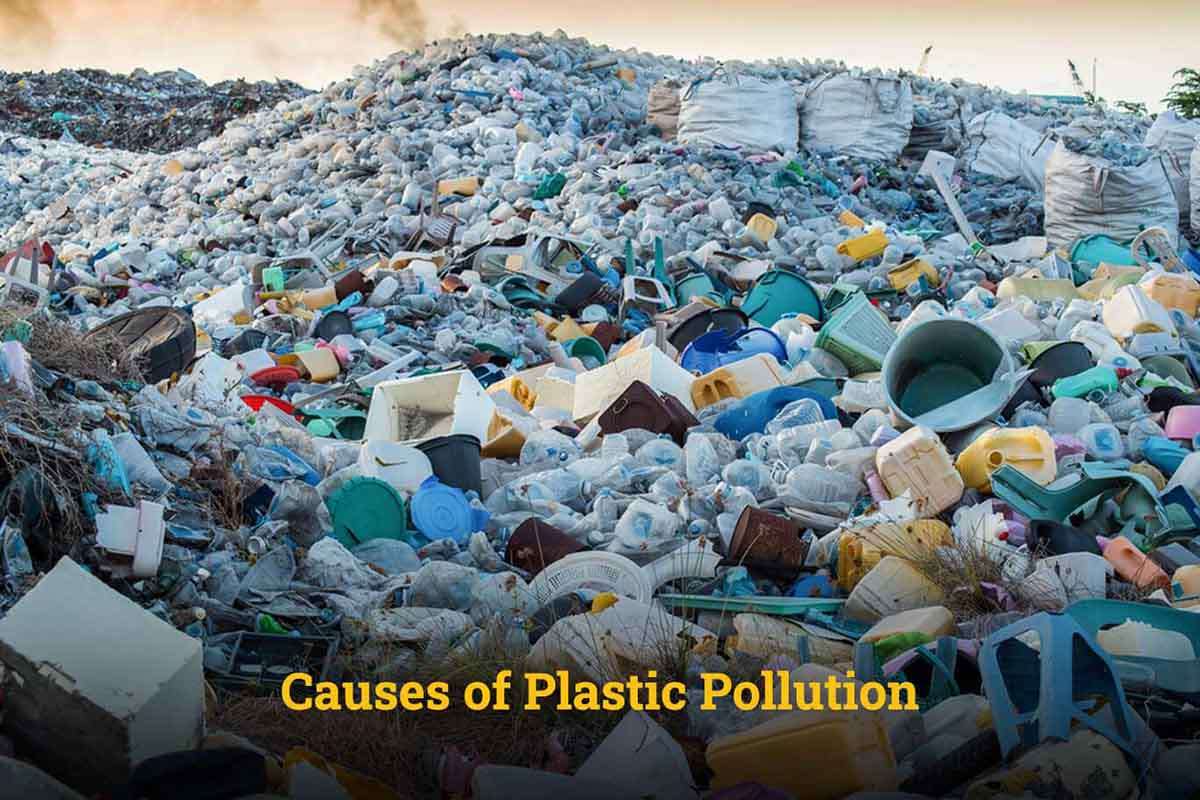
Every single day, the equivalent of 2,000 garbage trucks full of plastic enter our oceans, rivers, and lakes. This isn’t a distant problem—it’s happening right now, and the plastic pollution effects on the environment are accelerating faster than ever.
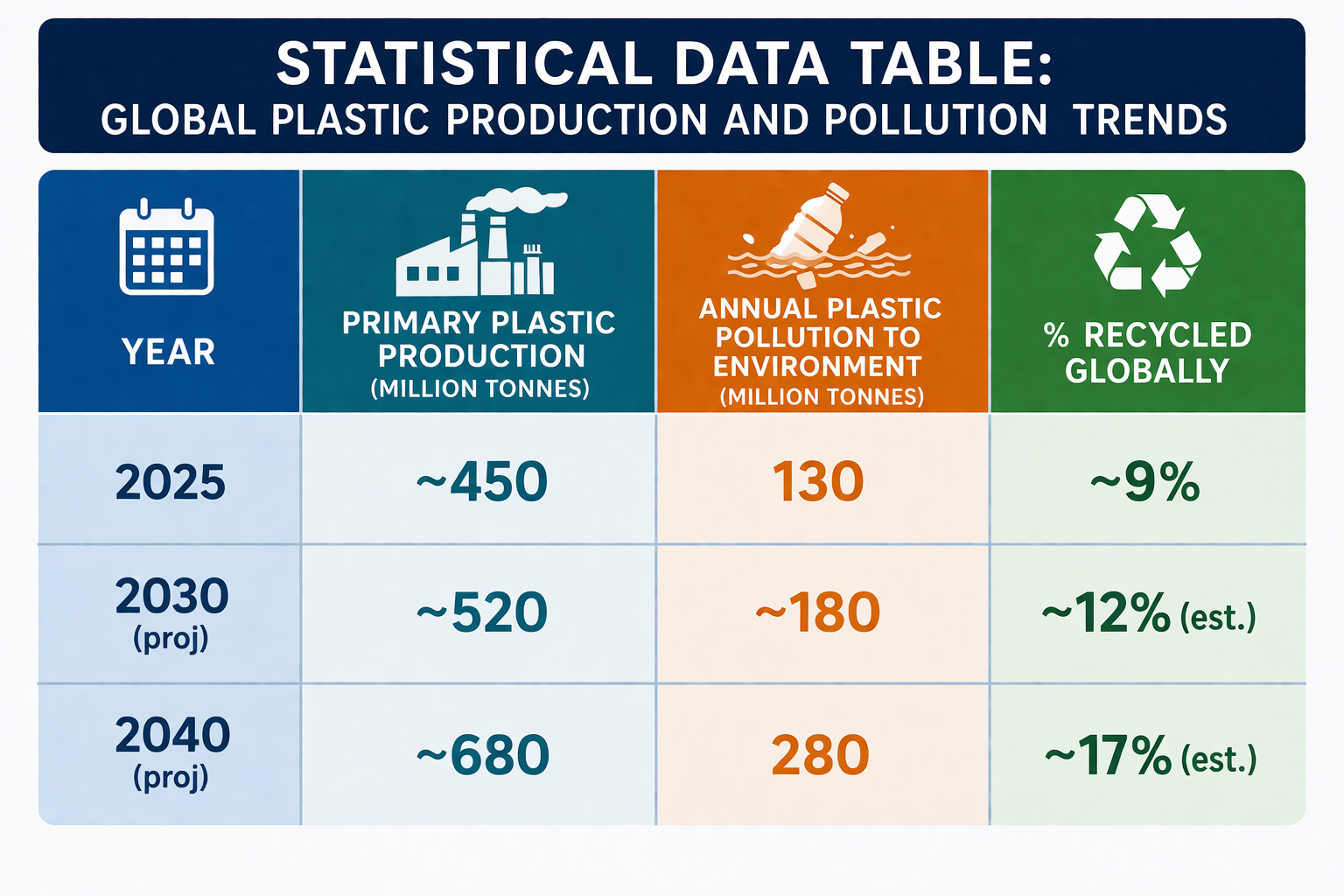
In 2025 alone, global plastic production reached approximately 450 million tonnes, with 130 million tonnes already polluting land, air, and water. Without urgent action, that figure could more than double to 280 million tonnes annually by 2040. Microplastics have infiltrated the deepest ocean trenches, the highest mountains, and even human bloodstreams.
This comprehensive guide explores the plastic pollution effects on the environment, backed by the latest 2025–2026 data from UNEP, WWF, and Pew Charitable Trusts. You’ll discover root causes, far-reaching impacts on marine and terrestrial life, human health risks, and practical steps you can take today to help reverse the damage.
Understanding Plastic Pollution
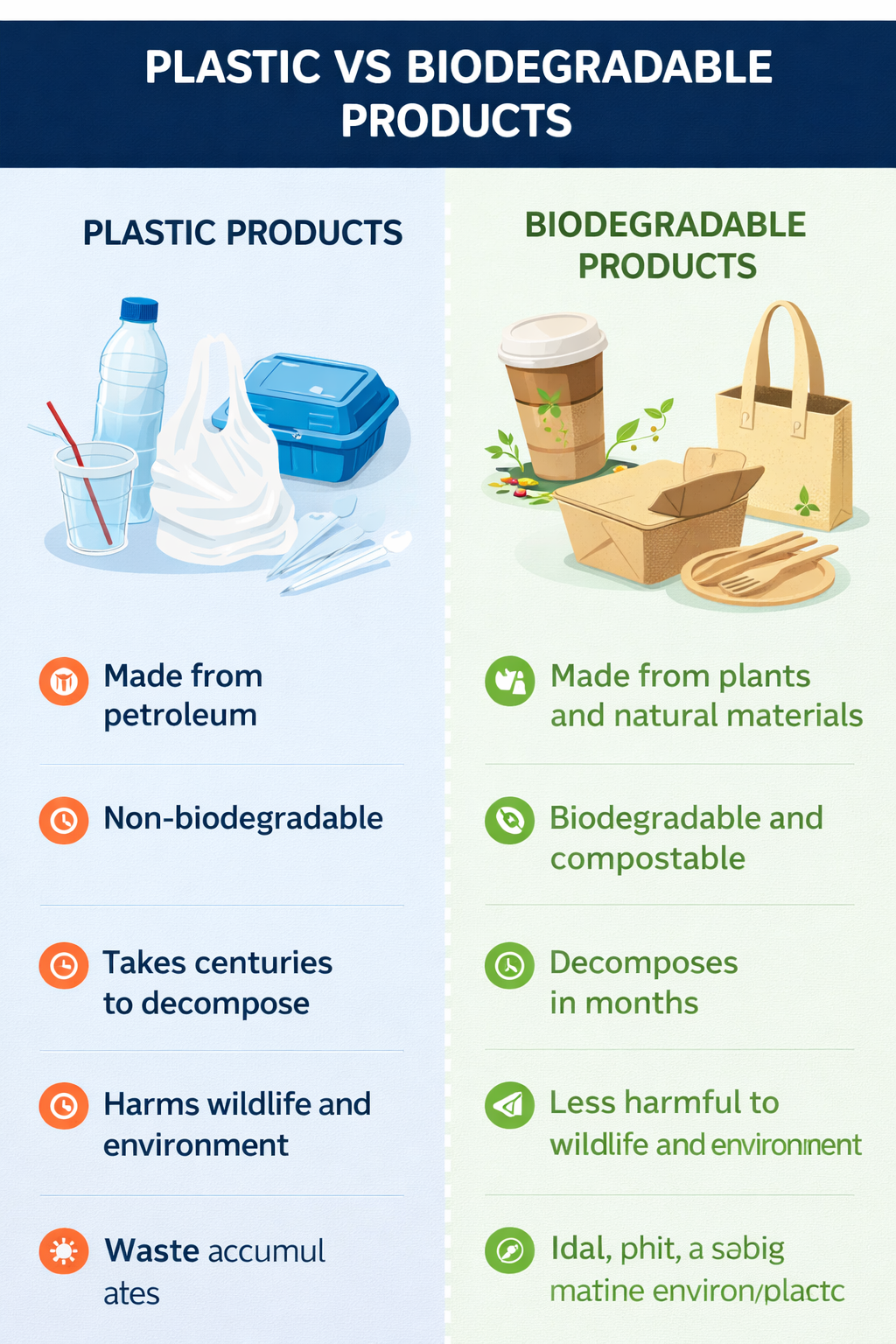
Plastic pollution refers to the accumulation of plastic products and particles in the environment that cause harm to wildlife, ecosystems, and human health. Unlike organic waste, most plastics take 100 to 1,000 years—or longer—to decompose. They break down into tiny microplastics (less than 5 mm) and even smaller nanoplastics that persist indefinitely.
Single-use plastics—bags, bottles, straws, and packaging—make up nearly 50% of all plastic produced. These items are designed for convenience but create a linear “take-make-dispose” economy that overwhelms waste systems worldwide.
Major Sources of Plastic Pollution
The primary drivers of plastic pollution effects on the environment include:
- Packaging (33–40% of plastic waste)
- Textiles and synthetic clothing (microfibers released during washing)
- Consumer goods and single-use items
- Fishing gear (ghost nets)
- Industrial pellets and manufacturing waste
Approximately 80% of ocean plastic originates from land-based sources—poorly managed landfills, illegal dumping, and stormwater runoff. The remaining 20% comes from ocean activities like shipping and fishing.
Plastic Pollution in Oceans and Marine Ecosystems
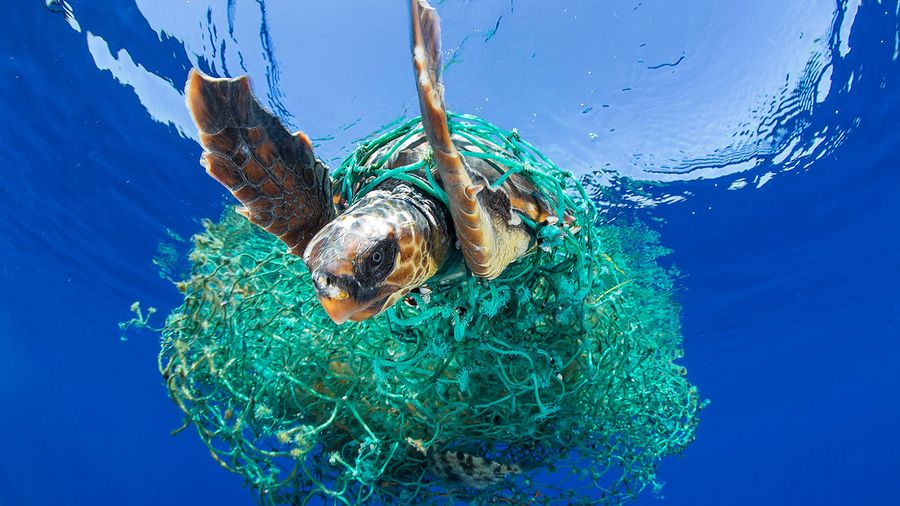
Oceans bear the brunt of plastic pollution effects on the environment. Every year, 19–23 million tonnes of plastic waste leak into aquatic ecosystems. This marine debris forms massive garbage patches, such as the Great Pacific Garbage Patch, which spans an area twice the size of Texas and contains an estimated 1.8 trillion plastic pieces.
Wildlife impacts are catastrophic:
- Over 1,500 marine and terrestrial species ingest or become entangled in plastic.
- Sea turtles mistake plastic bags for jellyfish, leading to starvation or intestinal blockages.
- Seabirds consume so much plastic that scientists coined the term plasticosis—scarring of the digestive tract from sharp plastic fragments.
- Marine mammals like whales and seals suffer entanglement in ghost nets, causing drowning, infection, or limb loss.
Microplastics also disrupt coral reefs, making them 20 times more susceptible to disease and reducing their ability to support biodiversity.
Impacts on Terrestrial Environments and Wildlife
Plastic pollution effects on the environment extend far beyond oceans. On land, plastics contaminate soil, reducing fertility and harming microorganisms essential for plant growth. Livestock and wildlife ingest plastic while grazing, leading to malnutrition and toxin buildup.
In rivers and lakes, plastic pollution disrupts freshwater ecosystems that supply drinking water to billions. Microplastics have been found in remote mountain soils and even Arctic ice, proving no ecosystem remains untouched.
Effects on Human Health
Humans are not immune to plastic pollution effects on the environment. Microplastics have been detected in human blood, lungs, livers, kidneys, placentas, and breast milk. An average person may ingest about 5 grams of plastic weekly—the equivalent of a credit card.
Chemicals in plastics (phthalates, BPA, flame retardants) act as endocrine disruptors, linked to reproductive issues, developmental problems, immune disorders, and certain cancers. Plastic pollution also exacerbates food insecurity by contaminating seafood and agricultural soils.
Plastic Pollution and Climate Change
Plastics contribute to climate change at every stage:
- Production relies on fossil fuels, releasing greenhouse gases.
- Decomposition and incineration emit methane and CO₂.
- Pollution damages carbon-storing ecosystems like mangroves and seagrasses.
By altering habitats, plastic pollution reduces ecosystems’ resilience to climate impacts, creating a dangerous feedback loop.
Global Statistics and Trends (2025–2026)
The scale of the crisis is staggering. Plastic production has more than doubled in the past 20 years, and waste management capacity cannot keep pace. Under business-as-usual scenarios, plastic pollution will triple by 2060. Low-income countries suffer disproportionately, bearing up to 10 times higher lifetime costs despite consuming far less plastic per capita.
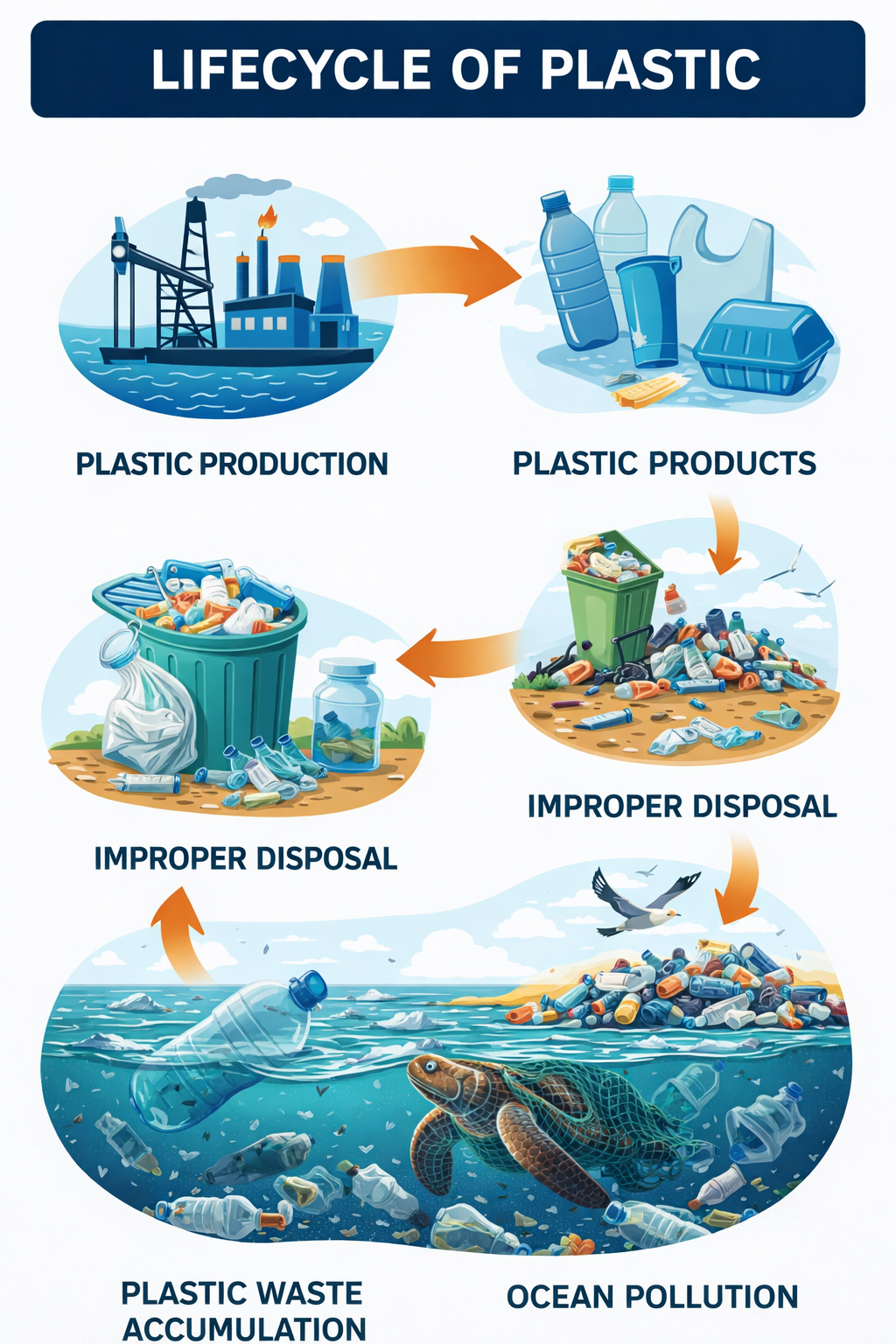
lifecycle of plastic
The lifecycle of plastic begins when it is made from oil and gas in factories. It is then shaped into products like bottles, bags, and containers that people use every day. Many of these items are used only once and quickly thrown away. If not disposed of properly, plastic waste can end up in landfills, rivers, and oceans. Over time, it breaks into tiny pieces called microplastics, which harm animals and the environment. This cycle shows why reducing, reusing, and recycling plastic is very important.
Plastic Pollution and Solutions
Conclusion
The plastic pollution effects on the environment represent one of the most urgent challenges of our time. From collapsing marine ecosystems to microplastics circulating in our bodies, the evidence is clear: we cannot continue on the current path.
The good news? Solutions exist and are within reach. By reducing single-use plastics, improving waste management, and pushing for a strong global plastics treaty, we can bend the curve of pollution before 2040.
Every reusable bag, every policy change, and every conscious consumer choice matters. The future of our planet depends on the actions we take today. Start now—your choices can help heal the environment for generations to come.