Conquering IT Career Hurdles: Ageism, Stress, and Long-Term Planning
Introduction
Conquering IT career hurdles such as ageism, workplace stress, and effective long-term planning represents a critical challenge for professionals in the technology sector during 2026. As the industry grapples with rapid innovation, talent shortages, and demographic shifts, barriers like perceived age discrimination, chronic burnout in entry-level roles, and the need for structured goal setting can impede progression. Recent analyses indicate that age-related bias affects tech workers earlier than in other fields, with complaints rising sharply, while burnout rates reach alarming levels—often exceeding 66% across the workforce. This article provides an analytical examination of these obstacles, drawing on current trends and evidence-based strategies to offer practical pathways for sustained career success in information technology.
Background on IT Career Challenges
The IT profession demands continuous adaptation amid evolving technologies, yet structural and personal hurdles persist. Ageism manifests as bias favoring younger candidates, often influenced by stereotypes about adaptability and innovation. Workplace stress, particularly acute in high-pressure entry roles like help desk support, arises from heavy workloads, understaffing, and constant user demands. Long-term planning requires deliberate frameworks to navigate these issues, ensuring alignment between individual aspirations and industry realities.
These challenges intersect: ageism exacerbates stress for mid-career professionals, while inadequate planning can prolong exposure to burnout-prone environments. Balanced perspectives recognize that while younger workers face intense pressure, older professionals bring irreplaceable experience, creating opportunities for mutual benefit.
Addressing Ageism in the IT Sector
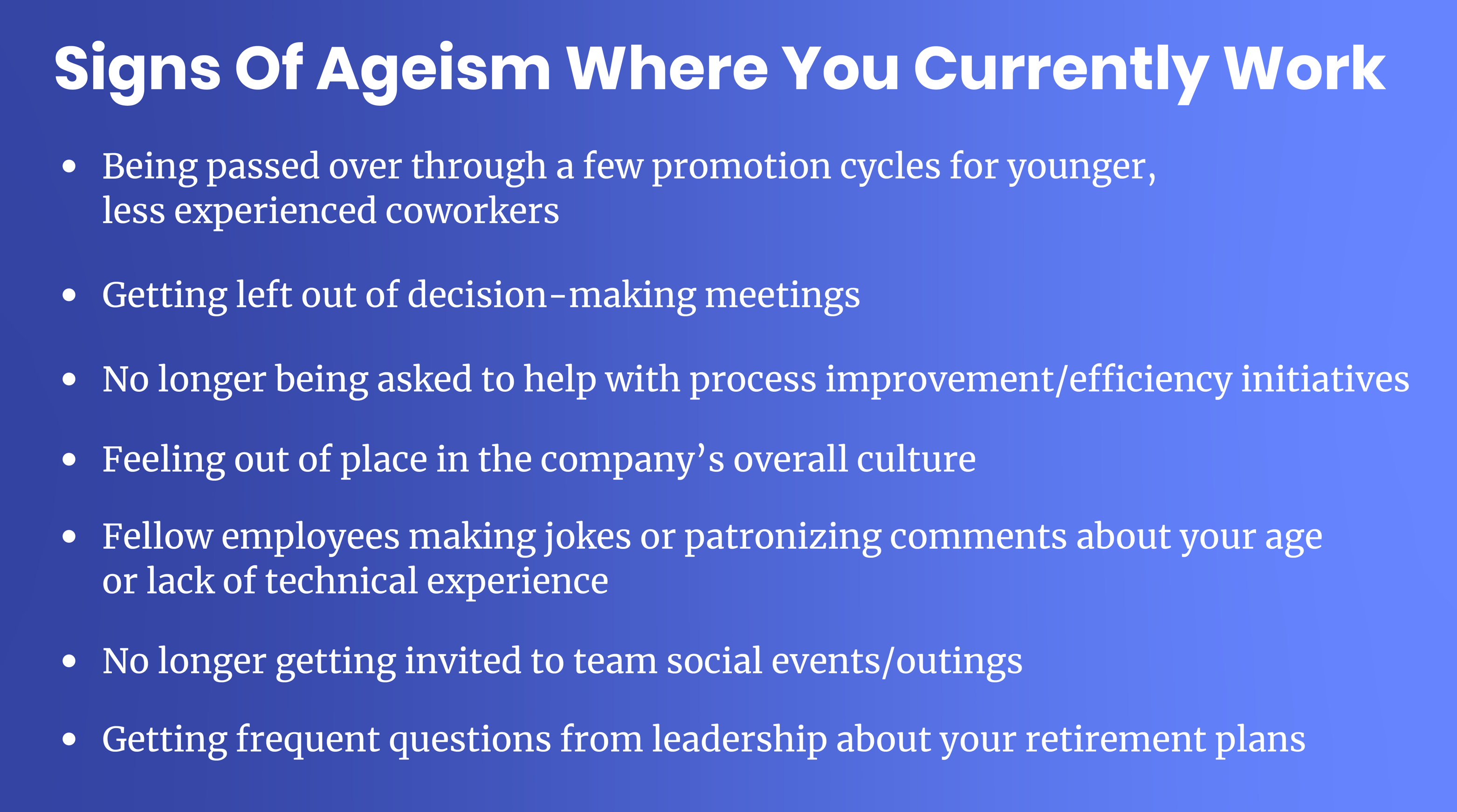
Ageism in IT emerges earlier than in other industries, with professionals reporting discrimination as young as their late 20s or early 30s. Recent data show a 133% year-over-year increase in ageism mentions in job-seeker reviews during early 2025, with ongoing trends indicating persistent bias. In the United States, nearly 90% of workers over 40 perceive age as a barrier, while tech's workforce skews younger—median ages at major firms often hover around 29-35, compared to the national labor force median of approximately 42.
Despite this, average ages for specialized roles reveal maturity: cybersecurity professionals average 42.2-42.4 years, reflecting the value of accumulated expertise in threat management and compliance. Success stories demonstrate viability for career changers over 40 or 50, including transitions from teaching to cybersecurity or retail to cloud roles, often yielding salary increases and greater fulfillment. Strategies to counter ageism include emphasizing transferable skills, building robust portfolios, and targeting inclusive employers.
Table 1: Age Demographics and Bias Trends in IT Roles (2025-2026 Data)
Role/Category | Average Age | Reported Bias Incidence | Key Insight/Source |
General Tech Workforce | ~35-39 | High (133% rise in complaints) | Glassdoor/Forbes reports |
Cybersecurity Specialists | 42.2-42.4 | Moderate | Talent shortage values experience |
Software Engineers (Entry-Mid) | 35-40 | Early onset (late 20s) | Youth skew in major firms |
Workers Over 40 | N/A | 59-90% perceive hindrance | CWI Labs/Industry surveys |
This table synthesizes demographic realities and bias indicators, highlighting experience as a counterbalance to stereotypes.
Managing Stress and Burnout in IT Roles
Stress and burnout constitute pervasive issues, with 66% of U.S. workers reporting symptoms in 2025—an all-time high—driven by heavy workloads, job insecurity, and return-to-office mandates. In IT, entry-level positions like help desk often experience acute pressure from understaffing and constant escalations, contributing to exhaustion. Broader statistics reveal 72-90% of employees facing moderate-to-high stress, with younger generations (Gen Z and millennials) most affected at 74-83%.
Mitigation strategies include managerial discussions for additional support, scheduled breaks, physical activity (e.g., lunch workouts), and transitioning to less reactive roles like network engineering, where workload variability allows focused study periods. Agreements across sources emphasize proactive communication and self-care, while gaps highlight the need for systemic changes like better staffing.
Figure 1: Stress and Burnout Progression in IT Careers
This conceptual flowchart illustrates how stress evolves, underscoring the value of progression.
Long-Term Planning and Goal Setting
Effective long-term planning in IT relies on structured frameworks like SMART goals—Specific, Measurable, Achievable, Relevant, and Time-bound—to align personal development with industry demands. Professionals should prioritize certifications (e.g., Security+ for cybersecurity), hands-on projects, and mentorship while balancing life commitments. Examples include targeting AWS certification within six months or advancing from support to engineering through targeted skill-building.
This approach counters hurdles by fostering adaptability and measurable progress.
Analysis and Implications
Evidence converges on ageism's persistence despite experience advantages in roles like cybersecurity, while stress disproportionately affects entry positions. SMART goal setting bridges these, enabling pivots and resilience. Contradictions include youth bias versus maturity's value; gaps involve insufficient support for older changers. Implications emphasize inclusive practices and lifelong learning for sustained success
Conclusion
Conquering IT career hurdles demands proactive strategies against ageism, stress mitigation through self-care and role progression, and disciplined long-term planning via SMART frameworks. With IT's continued expansion, professionals who leverage experience, manage burnout, and set clear objectives can achieve enduring advancement. Future directions should prioritize inclusive policies and mental health integration to support diverse talent in this dynamic field.
Comments (Write a comment)
Showing comments related to this blog.