Exploring High-Demand IT Fields: Software, DevOps, Cloud, and Beyond
Introduction
Exploring high-demand IT fields has become essential for professionals and newcomers navigating the technology sector's rapid evolution in 2026. Driven by digital transformation, artificial intelligence integration, and escalating cybersecurity needs, certain domains consistently rank among the most sought-after career paths. Key areas include software engineering, DevOps engineering, cloud engineering, cybersecurity, data engineering, and machine learning engineering—fields projected to experience substantial growth through the next decade. Projections from authoritative sources indicate that computer and information technology occupations will expand much faster than average, with roles in data science (34% growth), information security analysis (29%), and software development (15-17%) leading the way. This analysis synthesizes current trends, entry requirements, skill overlaps, and future implications to provide a comprehensive overview for informed career decision-making.
Background on IT Career Landscape
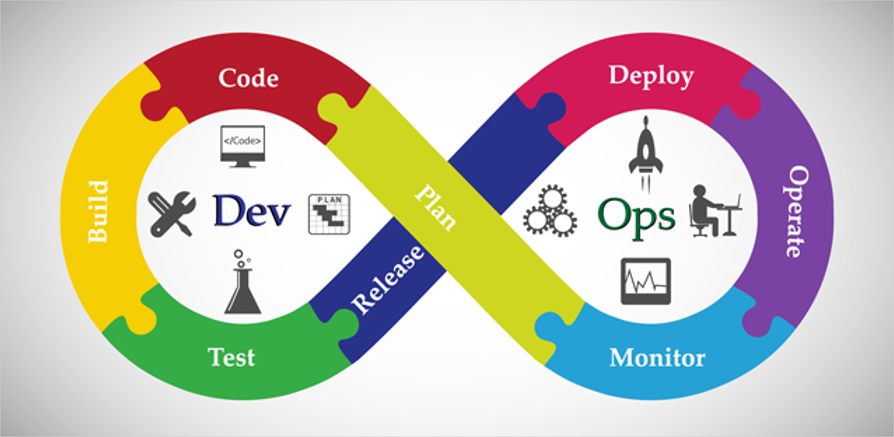
The IT sector's dynamism stems from converging forces: widespread adoption of cloud infrastructure, the proliferation of artificial intelligence, and persistent threats to digital assets. Software engineering encompasses the creation of applications across web, mobile, and desktop platforms, often subdivided into frontend (user-facing interfaces), backend (server-side logic and databases), and full-stack development (both). DevOps bridges development and operations through automation, continuous integration/continuous deployment (CI/CD), and tools like Docker and Kubernetes. Cloud engineering focuses on designing, managing, and optimizing scalable infrastructures on platforms such as AWS, Azure, and Google Cloud.
Cybersecurity involves protecting systems from threats, while data engineering builds pipelines for collecting and processing large datasets, and machine learning engineering develops algorithms enabling predictive capabilities. Python emerges as a unifying language, facilitating automation in DevOps, scripting in cloud environments, data manipulation in engineering roles, and model building in machine learning—its versatility underscores cross-field applicability.
Current High-Demand Fields and Projections
Recent occupational outlooks confirm robust growth in these domains. Software developers continue to see strong demand, with projections of 15-17% employment increase from 2024-2034, adding hundreds of thousands of positions annually. Cybersecurity analysts lead with 29% growth, driven by rising threats. Data scientists and machine learning roles exhibit 33-34% expansion, fueled by AI investments. Cloud and DevOps engineering maintain steady trajectories, with hybrid roles blending these areas gaining prominence.
Entry points vary: software engineering often begins with programming fundamentals (e.g., JavaScript or Python), while DevOps and cloud require networking and automation knowledge. Cybersecurity typically demands foundational security principles, though it is not purely entry-level. Data and machine learning fields emphasize statistics and advanced programming.
Table 1: Projected Growth and Median Salaries for Key IT Fields (2024-2034 Projections)
Field | Projected Growth Rate | Median Annual Salary (USD, 2024) | Key Drivers | Primary Skills Required |
Software Development/Engineering | 15-17% | $131,000–$133,000 | Application demand, AI integration | Python/JavaScript, full-stack frameworks |
DevOps Engineering | 21% (related roles) | $100,000–$141,000 | Automation, CI/CD efficiency | Python scripting, Docker, Kubernetes |
Cloud Engineering | 11-20% | $105,000–$140,000 | Enterprise cloud migration | AWS/Azure/GCP, infrastructure as code |
Cybersecurity | 29% | $124,000–$125,000 | Rising threats, compliance | Threat detection, risk management |
Data Engineering | 18-20% | $95,000–$130,000 | Big data processing | SQL, Python (Pandas), ETL tools |
Machine Learning Engineering | 33-34% | $112,000–$195,000+ | AI adoption across industries | Python (TensorFlow/PyTorch), statistics |
Source: Synthesized from U.S. Bureau of Labor Statistics, industry reports, and compensation analyses (2025-2026 data).
This table highlights cybersecurity's accelerated growth and machine learning's high earning potential.
Skill Overlaps and Python's Central Role
A significant overlap exists across these fields, particularly in Python usage. In software engineering, it supports backend development and scripting; DevOps leverages it for automation; cloud engineers employ it via SDKs (e.g., Boto3 for AWS); data engineers use libraries like Pandas; and machine learning relies on frameworks such as TensorFlow and scikit-learn. This convergence allows professionals to transition between paths with relative ease, as core programming concepts remain consistent.
Analysis and Implications
The data reveal a market favoring specialized yet adaptable skills. Agreements center on AI and cloud as primary drivers, with cybersecurity's urgency stemming from persistent threats. Contradictions appear in entry barriers—software and DevOps offer accessible starts via projects, while machine learning and advanced cybersecurity demand deeper mathematical foundations. Gaps include the need for hybrid competencies (technical plus business acumen) in emerging roles like AI product management.
Python's dominance facilitates mobility; mastering its core syntax enables pivots to specialized libraries. Implications include heightened demand for continuous learning, as rapid obsolescence risks outdated skills. Future directions point to AI integration across all fields, potentially amplifying growth in machine learning and cloud-native security.
Figure 1: Interconnections Among High-Demand IT Fields
This diagram illustrates how foundational skills branch into specialized domains, emphasizing overlaps.
Conclusion
Exploring high-demand IT fields reveals software engineering, DevOps, cloud engineering, cybersecurity, data engineering, and machine learning as premier paths in 2026, propelled by technological convergence and market needs. Python's versatility bridges these domains, enabling efficient career transitions. Key findings affirm strong growth projections, particularly in cybersecurity and AI, with implications for lifelong learning and skill hybridization. Future directions suggest deeper AI embedding, offering opportunities for those who invest in adaptable expertise. Aspiring professionals should prioritize foundational programming, hands-on projects, and alignment with personal interests to capitalize on this expansive landscape.
Comments (Write a comment)
Showing comments related to this blog.