Economic Impact and Market Growth of Digital Content
Economic Impact and Market Growth of Digital Content
Introduction
The economic impact and market growth of digital content have transformed industries, reshaped business models, and created new income opportunities worldwide. From streaming platforms and online courses to social media marketing and e-books, digital content has become a driving force in the global economy.
As internet penetration increases and smartphone usage expands, digital media consumption continues to rise. Businesses, creators, and governments now recognize digital content as a major contributor to GDP growth, employment, and global trade.
In this article, we will explore the economic significance, market size, growth trends, benefits, challenges, and future outlook of the digital content industry.
Global Market Size and Growth Trends
📊 Digital Content Market Overview
According to industry reports:
- The global digital media market exceeded $400 billion in 2023.
- The digital advertising industry alone surpassed $600 billion globally in 2023.
- E-learning is projected to reach $460+ billion by 2027.
Major growth drivers include:
- Increasing smartphone usage
- Faster internet connectivity (5G expansion)
- Growth of social media platforms
- Rise of subscription-based business models
- Remote work and online education
📈 Graph: Digital Content Market Growth (2020–2025)
Explanation:
The graph shows consistent annual growth in the digital content market, driven by digital transformation, online streaming, and digital advertising expansion.
Economic Impact of Digital Content
1️⃣ Job Creation
The digital content industry creates millions of jobs globally:
- Content creators
- Graphic designers
- Video editors
- SEO specialists
- Social media managers
- Digital marketers
- App and web developers
Freelancing platforms and creator economies allow individuals to earn independently without traditional employment.
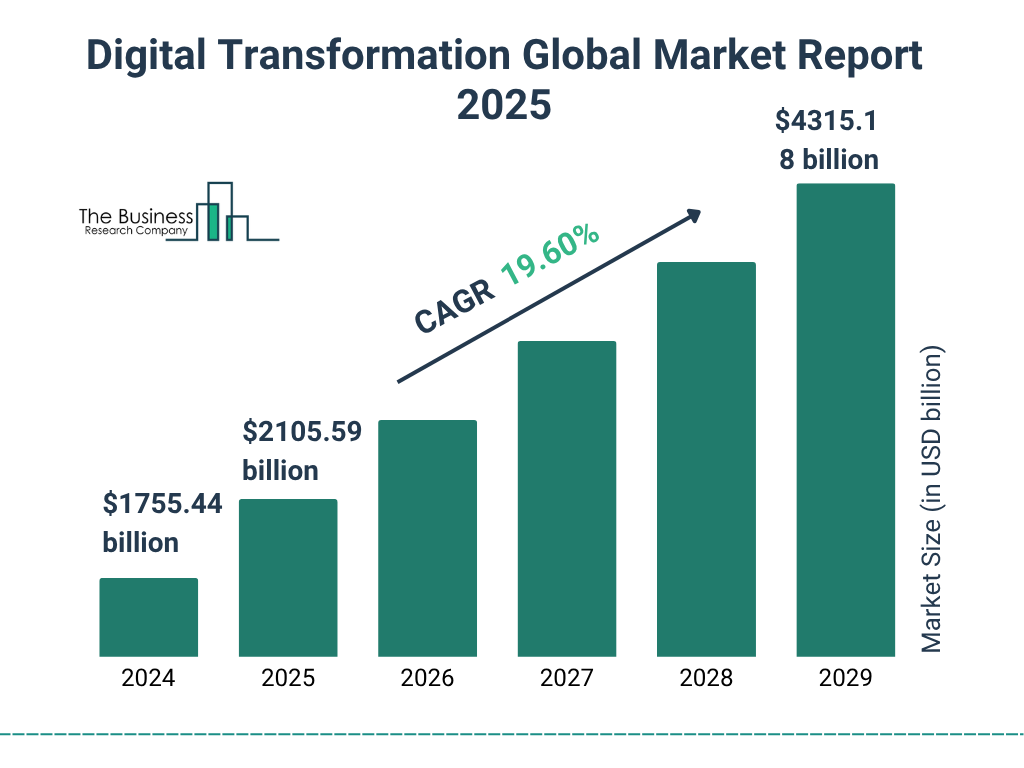
Caption: Example bar/line chart style for digital-related market growth (similar to digital transformation/content trends), illustrating compound annual growth from 2026 onward. Alt text: Bar chart showing market size progression from 2025–2030 with CAGR indicator.
2️⃣ Contribution to GDP
Digital media and content industries contribute significantly to national economies. Countries investing in digital infrastructure experience:
- Higher productivity
- Increased exports of digital services
- Expansion of tech startups
- Growth in advertising revenue
For example, streaming services and digital subscriptions contribute billions in annual revenue worldwide.
3️⃣ Growth of the Creator Economy
The creator economy—where individuals monetize content via ads, sponsorships, and subscriptions—is booming.
Platforms like:
- YouTube (ad revenue sharing)
- Patreon (subscription support)
- Spotify (music monetization)
enable millions of creators to generate income directly from audiences.
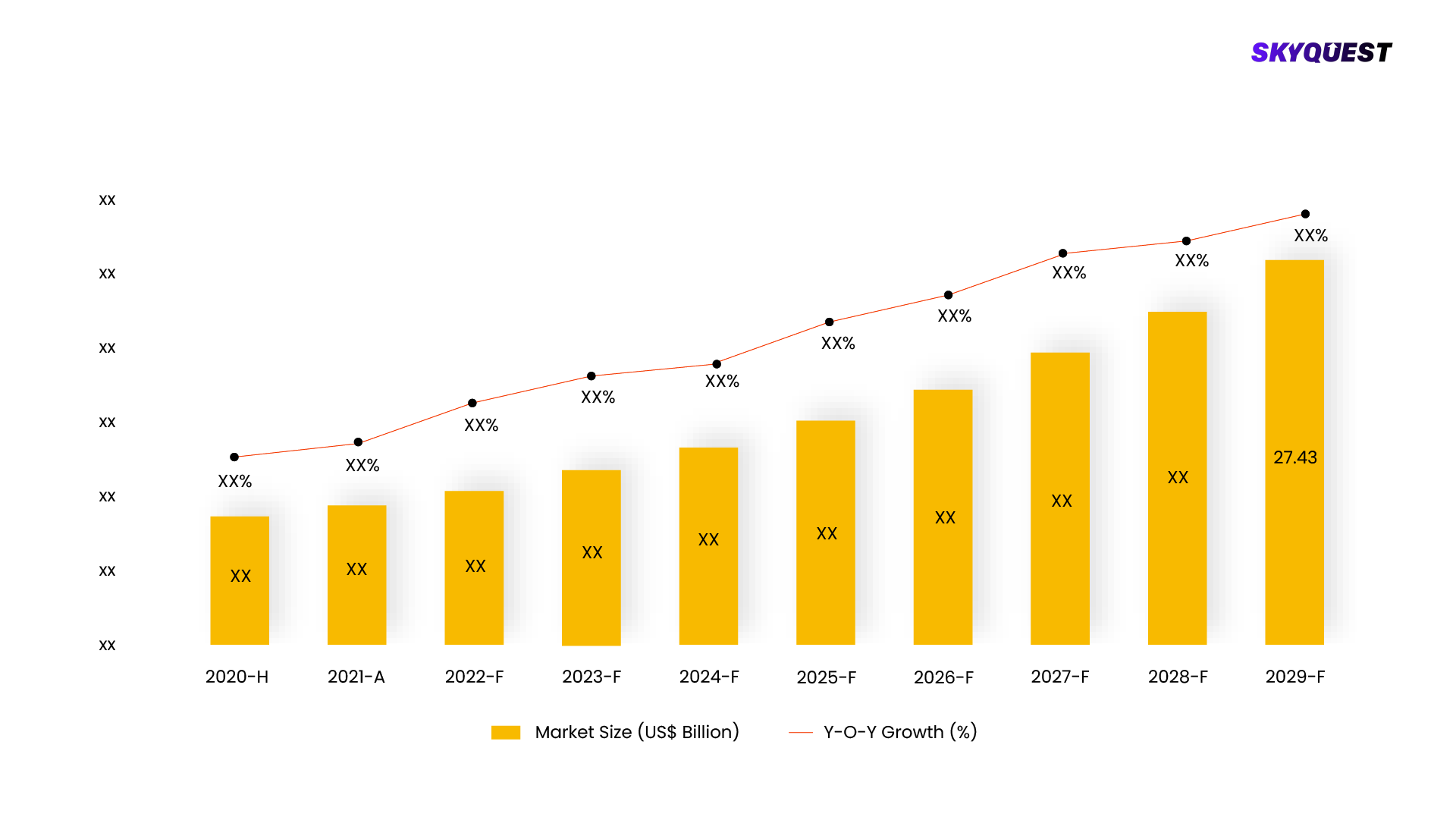
Caption: Line/bar hybrid chart example for digital newspapers/magazines (subset of digital content), demonstrating progressive yearly growth through 2029+. Alt text: Yellow bar chart with growth line for digital content segment forecast.
These visuals highlight the upward trajectory: consistent year-over-year increases, with acceleration in later years due to technological adoption.
For the most accurate/current data, refer to sources like Grand View Research, SkyQuest, Straits Research, Mordor Intelligence, and Statista (as of 2026 reports). The market remains highly dynamic, with AI integration as a major accelerator. If you'd like more specific sub-segments (e.g., video content or creator economy), let me know!
Key Revenue Models in Digital Content
The economic impact and market growth of digital content are powered by multiple monetization strategies:
- Advertising revenue (Google Ads, social ads)
- Subscription models (Netflix, premium memberships)
- Affiliate marketing
- Sponsored content
- Pay-per-download
- Online courses and digital products
These diversified income streams strengthen economic resilience.
Benefits of Digital Content Growth
✅ For Businesses
- Cost-effective marketing
- Global brand exposure
- Real-time analytics
- Targeted advertising
✅ For Individuals
- Remote income opportunities
- Personal branding
- Skill development
- Flexible working environment
✅ For Economies
- Digital exports
- Innovation growth
- Startup ecosystem expansion
- Increased tax revenue
Challenges Facing the Digital Content Industry
Despite rapid growth, several challenges remain:
- Copyright infringement
- Content saturation
- Data privacy concerns
- Platform algorithm dependency
- Digital divide in developing regions
Regulations such as data protection laws aim to balance growth with consumer safety.
Case Study: Streaming Industry Growth
The rise of Netflix demonstrates the economic impact of digital transformation.
- Millions of global subscribers
- Billions in annual revenue
- Creation of original content
- Expansion into international markets
Streaming services have disrupted traditional television, shifting advertising and subscription revenue online.
Future Outlook of Digital Content Market
The future of the digital content economy looks promising due to:
- Artificial Intelligence (AI) content creation
- Virtual Reality (VR) and immersive media
- Blockchain for content ownership
- Growth of short-form video platforms
- Increased investment in digital education
By 2030, digital content is expected to dominate advertising, entertainment, and education sectors globally.
FAQs
1. What is the economic impact of digital content?
Digital content contributes to GDP growth, job creation, digital exports, and increased global trade.
2. Why is the digital content market growing so fast?
Rising internet access, smartphone usage, and demand for online entertainment drive rapid expansion.
3. How do creators earn from digital content?
Through ads, sponsorships, subscriptions, affiliate marketing, and digital product sales.
4. What industries benefit most from digital content?
Education, entertainment, marketing, e-commerce, and technology sectors.
5. What is the future of the digital content economy?
It will expand with AI tools, immersive technology, and global digital transformation.
Comments (Write a comment)
Showing comments related to this blog.