Your First 30 Days of Homeschooling: A Stress-Free, Step-by-Step Launch Plan
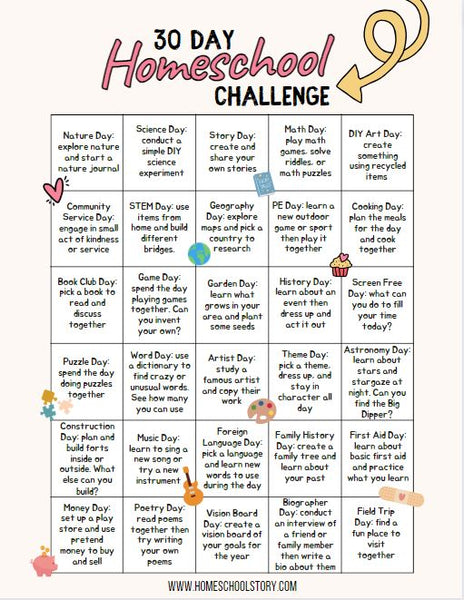
Taking the leap to start your homeschooling journey can feel overwhelming, but it doesn't have to be. With a clear, calm homeschool plan, your first 30 days can be a period of joyful discovery rather than stressful chaos. This step-by-step homeschool launch guide is designed for the new homeschool parent, breaking down the essential homeschool steps to ensure you begin with confidence, clarity, and connection. Let’s transform anxiety into action and lay a solid foundation for your family’s educational adventure.
Week 1: The Foundation Phase (Days 1-7)
The initial week is about decisive action and emotional reset, not academics.
- Formally Withdraw & Understand Legalities (Day 1): Your first official homeschool step is to understand your local homeschool legal requirements. Visit the Homeschool Legal Defense Association (HSLDA) website and research your state’s laws. This often involves submitting a simple letter of intent to homeschool. Handle this paperwork immediately to operate with peace of mind and official clarity.
- Declare a "Detox" or "Deschool" Period (Days 2-7): This is the most critical step for a successful homeschool launch. Your family is transitioning from a system-led schedule to a family-led rhythm. Announce a 1-2 week break from formal academics. Use this time to deschool—to unwind, reconnect, and shed the institutional mindset. Sleep in, visit the library, play games, explore nature, and cook together. For the homeschool beginner, this phase reduces pressure and allows everyone to adjust to the new normal of being together.
Week 2: The Planning & Connection Phase (Days 8-14)
With the legalities settled and everyone decompressed, shift to gentle planning.
- Choose Your Initial Curriculum (Days 8-10): As a new homeschool family, start simple. Follow the advice of experienced homeschoolers: choose one core, open-and-go homeschool curriculum for your child's grade level in a key subject like language arts or math. Websites like HowtoHomeschool.com are invaluable for comparing options. Don't aim for perfection; aim for a manageable starting point. Remember, you can always adapt or change later.
- Establish Your "Why" & Set Simple Goals (Day 11): Gather your family and discuss your hopes for this homeschooling year. Is it more family time? A love of reading? Mastering math? Write down 3-5 simple, non-academic goals (e.g., "Read 20 classic books aloud," "Complete one nature journal per month"). This creates a guiding vision beyond checking boxes.
- Create a Basic Routine, Not a Rigid Schedule (Days 12-14): Homeschool freedom means you don't need to replicate a 8am-3pm school day. Instead, draft a loose homeschool routine. A sample homeschool schedule could be: "Learning Block from 9am-12pm, Lunch & Free Play, Read-Aloud Time at 2pm." This provides structure without suffocation. Keep it flexible.
Week 3: The Soft Launch Phase (Days 15-23)
Time to gently introduce structured learning without overwhelming anyone.
- Start with the Basics (Days 15-17): Begin your chosen homeschool curriculum. Focus only on the core homeschool basics: reading and math for young learners; add writing for older ones. Keep sessions short (15-30 minutes per subject). The goal is to build consistency and confidence—for you and your child.
- Incorporate Read-Alouds (Daily): This is your secret weapon. Read high-quality literature aloud every day. It builds vocabulary, fosters closeness, and covers history, ethics, and more in an enjoyable way. It is the heart of a rich homeschool plan.
- Observe & Adjust (Days 18-23): Pay attention. Is your child a visual learner? Do they focus better after movement? Does the homeschool schedule feel rushed? Use this week as a live experiment. Tweak your homeschool routine, switch to a different time of day, or shorten lessons as needed. You are customizing your child's education.
Week 4: The Integration & Community Phase (Days 24-30)
Solidify your rhythm and look outward for support.
- Add One Enrichment Activity (Day 24): Now that the homeschool basics are flowing, add one enrichment subject. This could be science experiments on Fridays, an art project, or a weekly history documentary. Make it hands-on and fun.
- Connect with Local Community (Days 25-30): Search for local homeschool co-ops, park days, or support groups on Facebook or Meetup. Connecting with other homeschool families provides support for you and socialization for your children. It reminds you that you are not alone on this homeschool journey.
- Conduct Your First Review (Day 30): At the end of your first 30 days, have a family meeting. What worked? What didn't? Celebrate your successes—you've successfully navigated your homeschool launch! Adjust your homeschool plan for the next month based on what you've learned.
Remember: Your homeschooling start is a marathon, not a sprint. Progress, not perfection, is the goal. By following these homeschool steps, you prioritize relationship over rigor and flexibility over fear. You’ve got this, homeschool beginner. Welcome to the adventure.
Comments (Write a comment)
Showing comments related to this blog.