But What About Socialization? Building True Community for Every Educational Choice
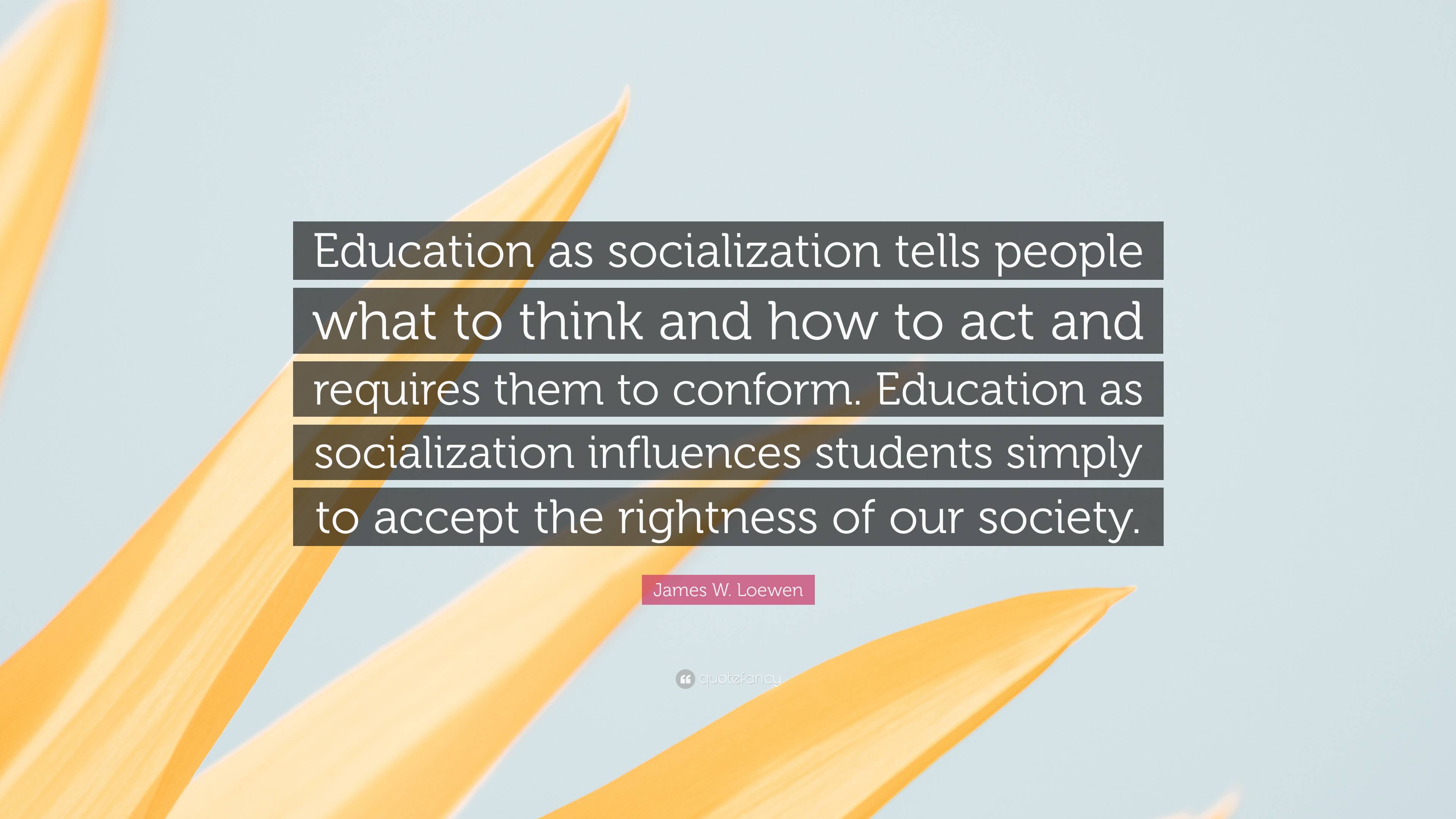
Worried about homeschool socialization? Learn how to build true community, foster healthy social development, and protect children from peer pressure, regardless of your educational choice.
The question echoes in every conversation: “But what about socialization?” It’s the immediate, often reflexive, challenge posed to families considering anything outside the mainstream educational path. This single word carries the weight of a deep cultural assumption: that school is the primary, or even sole, venue for a child’s social development. However, what if this assumption confuses mere exposure to peers with the deliberate cultivation of healthy relationships? The true goal isn’t just homeschool socialization; it’s the intentional building community that fosters resilience, empathy, and authentic connection. This requires moving past fear and understanding what social development truly means for a flourishing child.
Redefining "Socialization": Quality Over Mere Exposure
Traditional schooling offers constant peer interaction, but this environment often prioritizes a specific, narrow form of social development. Children are grouped almost exclusively by birth year, creating an artificial bubble of same-age, same-maturity-level peers. In this dynamic, social hierarchies, cliques, and peer pressure can become intense, forming the backdrop for rising levels of childhood anxiety and stress. As researcher Dr. Peter Gray notes, this age-segregated model is a historical anomaly. In hunter-gatherer societies—and throughout most of human history—children learned social skills in mixed-age groups where they could mentor, be mentored, and learn through natural, play-based interaction.
Therefore, the question shouldn't be, “Will my child see other kids?” but rather, “What kind of social environment is most conducive to building their character and confidence?” For families practicing homeschool socialization, this shifts the focus from defending a perceived deficit to proactively creating a richer, more varied social tapestry. This environment often includes deep family bonds, relationships with adults of all ages, and interaction with a diverse range of children at libraries, clubs, and places of worship—a form of social development that mirrors the real world far more closely than a single-grade classroom.
The Modern Social Landscape: Anxiety, Screens, and a Hunger for Connection
Current data paints a concerning picture of child anxiety linked to the school environment. Surveys show that a significant majority of high school students cite school as their primary source of stress. In this pressured context, peer pressure isn't just about sneaking out or trying cigarettes; it’s a constant, low-grade strain to conform academically, socially, and ideologically. For some children, this environment is stifling, leading to withdrawal or a performative social self.
Simultaneously, the digital age has transformed how all young people connect. For many, especially those without freedom for unstructured neighborhood play, online spaces and video games have become a vital arena for building community. These digital spaces allow for collaboration, problem-solving, and friendship maintenance, especially when geographic or logistical barriers exist. While not a perfect substitute for face-to-face interaction, they are a legitimate part of modern social development. The challenge for all parents, whether their children are in school or at home, is to guide children toward healthy, balanced relationships both online and off, teaching them to navigate peer pressure and build healthy friendships in every context.
Intentional Community Building: A Guide for Every Family
Regardless of your schooling choice—public, private, homeschool, or something in between—building community is not automatic. It is an intentional practice. Here is how families can foster authentic social development:
- For Homeschooling Families: Master the Art of the "Social Calendar"
- The key to successful homeschool socialization is proactivity. This doesn’t mean every day must be packed, but it does mean seeking out connections. A homeschool co-op is a cornerstone for many, providing a structured, regular setting for group classes, collaborative projects, and yes, that coveted recess time. Beyond co-ops, explore:
- Library Programs: Story hours, book clubs, and STEM workshops.
- Recreational Sports: Community leagues often have more flexible, less competitive atmospheres.
- Volunteer Opportunities: Working together at a food bank or animal shelter builds empathy and teamwork.
- Interest-Based Clubs: Robotics, chess, coding, or art classes connect children with like-minded peers.
- The goal is to provide a variety of social settings, allowing children to practice navigating different group dynamics, from the structured environment of a homeschool co-op class to the free-form negotiation of a park playdate.
- For School-Based Families: Curate the Out-of-School Hours
- School provides a base of peers, but the quality of relationships is often determined outside the classroom. Counteract the intensity of the school day by:
- Prioritizing Free Play: Protect after-school and weekend time for unstructured play with neighbors or friends from different grades. This is where creativity and organic social development thrive, away from adult direction and academic pressure.
- Fostering Cross-Generational Bonds: Encourage relationships with grandparents, mentors, coaches, and family friends. This broadens a child’s perspective and provides support systems beyond their immediate peer group.
- Creating Family Rituals: Strong family bonds are the ultimate safety net against negative peer pressure. Regular family meals, game nights, and outings create a secure base from which children can confidently engage with the wider world.
- For All Families: Teach the Skills of Friendship
- Social development is a skill set. We can teach children how to be good friends. Discuss and model:
- Empathy and Active Listening: How to recognize and respond to others' feelings.
- Conflict Resolution: How to disagree respectfully, apologize sincerely, and find compromise.
- Assertiveness: How to say “no” to negative peer pressure while maintaining healthy friendships.
- Inclusion: How to welcome newcomers and stand up for those being left out.
Conclusion: From a Question of Fear to a Practice of Connection
“But what about socialization?” is ultimately a question born from love and concern. The most empowering answer is to redefine the term. Social development is not a commodity dispensed by an institution. It is the lifelong practice of building meaningful connections, showing empathy, and contributing to a community.
For the homeschooling family, this means intentionally building community through co-ops, activities, and rich family life, transforming the homeschool socialization question into a showcase of relational depth. For the school-going family, it means being intentional about the hours outside school to nurture family bonds and diverse friendships that buffer against child anxiety and peer pressure.
The path is not one-size-fits-all. Whether through a vibrant homeschool co-op, a supportive church youth group, a neighborhood pick-up game, or a collaborative online server, the mission is the same: to guide our children toward healthy friendships and the confidence to navigate the human world with kindness, resilience, and grace. Let’s move the conversation from fear to intentionality, and build that true community together.
Comments (Write a comment)
Showing comments related to this blog.