Unlocking Patent Professions: A Hidden Gem for Chemical Engineers
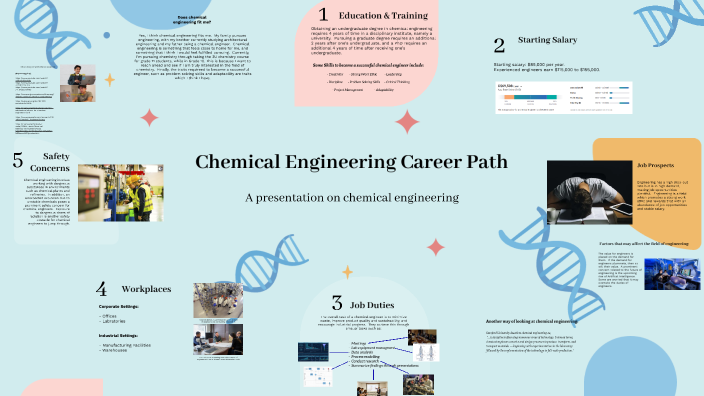
Patent professions represent an underappreciated yet highly rewarding career trajectory for chemical engineers, bridging technical expertise with intellectual property (IP) law to protect innovations in chemicals, processes, materials, and sustainable technologies. Chemical engineers, trained in reaction engineering, thermodynamics, process design, and analytical problem-solving, possess the precise scientific foundation required to evaluate inventions, draft patent applications, and navigate regulatory landscapes. This pathway offers stability, intellectual stimulation, and global relevance, particularly amid rising innovation in green chemistry, pharmaceuticals, and advanced materials. Drawing from industry analyses, professional pathways, and emerging trends, this article explores how chemical engineers can transition into patent roles, the qualification processes, career prospects, and implications for long-term professional development.
Background: The Intersection of Chemical Engineering and Intellectual Property
Intellectual property professions encompass roles such as patent agents (non-lawyer technical specialists who draft and prosecute patents) and patent attorneys (who require legal qualifications). Patent agents focus on technical aspects—prior art searches, claims drafting, and responses to examiners—while collaborating with inventors and legal teams. For chemical engineers, this alignment is natural: their understanding of molecular interactions, process optimization, and material properties enables accurate interpretation of chemical inventions, from eco-friendly formulations to polymerization techniques.
Globally, patent systems demand technical qualifications; in India, the Patent Agent Examination (administered by the Indian Patent Office) requires a science or engineering degree, making chemical engineering graduates eligible. Internationally, bodies like the USPTO accept engineering degrees for patent agent registration via the patent bar exam. This technical-legal hybrid role has grown with increasing patent filings in chemicals and related fields, driven by sustainability goals and technological advancements.
Current Findings from Research: Pathways, Qualifications, and Opportunities
In India, the patent agent profession addresses a talent shortage—approximately 5,000 registered agents serve a population and innovation ecosystem far larger—creating substantial demand for qualified individuals. Chemical engineers qualify through the Patent Agent Exam, which tests patent law, drafting, and technical knowledge. Eligibility includes Indian citizenship, age 21+, and a relevant degree (e.g., B.Tech in Chemical Engineering). Preparation involves studying the Patents Act, drafting practice, and prior art analysis, with resources available from coaching programs and official syllabi.
Success stories highlight transitions from chemical engineering to patent roles, often involving work in firms handling eco-friendly paints, polymers, or pharmaceutical processes. Professionals contribute to R&D direction, technology transfers, and international filings (e.g., PCT applications). Many work in-house at companies like Tata Chemicals or BASF, or in law firms supporting MNCs.
Globally, opportunities extend to remote work for US/European markets, where Indian agents handle drafting and prosecution. In the US, patent agents with engineering backgrounds earn competitively (median around $92,000–$145,000+ USD), with pathways to patent attorney roles via law school. Demand remains strong in chemicals, biotech, and clean energy.
Key Comparative Data
Table 1: Patent Profession Pathways for Chemical Engineers (India and Global Contexts)
Region/Aspect | Qualification Process | Typical Roles | Salary Range (Approximate, 2026) | Key Opportunities | Challenges |
India | Patent Agent Exam (Indian Patent Office) | Patent Agent, In-house IP Specialist | ₹7–15 LPA (entry); higher in MNCs | High demand due to talent gap; international remote work | Exam competition; initial learning curve |
United States | USPTO Patent Bar Exam (after technical degree) | Patent Agent; Attorney (with JD) | $92,000–$210,000 USD | Biotech/pharma focus; firm partnerships | Bar exam rigor; potential relocation |
Global/Remote | Country-specific exams + experience | Consultant, Technology Transfer Specialist | Varies; premium for international | PCT filings, cross-border work | Time zone differences; regulatory variance |
In-House vs. Firm | Degree + exam + experience | R&D Advisor, Patent Drafting Specialist | ₹10–25 LPA (India); higher abroad | Innovation strategy, eco-product development | Workload intensity; client deadlines |
Analysis & Implications: Strategic Advantages and Considerations
The appeal of patent professions lies in leveraging chemical engineering skills without daily plant operations—professionals analyze inventions, guide R&D toward patentable outcomes, and facilitate commercialization. Agreements across sources emphasize the field's growth potential, particularly in India’s expanding IP ecosystem and global demand for sustainable innovations. Chemical engineers excel in sectors like paints, polymers, and green chemistry, where they bridge technical feasibility and legal protection.
Contradictions include perceptions of the role as niche or less visible compared to traditional engineering, yet evidence counters this with high demand and earning potential surpassing many entry-level engineering positions. Gaps persist in undergraduate awareness—few curricula highlight IP pathways—leading some to regret not exploring earlier. Networking via LinkedIn, mentorship, and exam preparation courses mitigates this.
Conclusion & Future Research
Patent professions offer chemical engineers a compelling alternative that capitalizes on their technical depth while providing intellectual variety, global exposure, and competitive compensation. From drafting applications for novel processes to advising on international technology transfers, these roles enable meaningful contributions to innovation ecosystems. As IP importance grows in sustainability and advanced materials, chemical engineers equipped with patent qualifications are well-positioned for impactful careers.
Future research should track long-term outcomes for engineers entering this field, evaluate the impact of AI on patent drafting, and assess hybrid models combining engineering and IP expertise. Aspiring professionals should pursue targeted preparation, networking, and awareness to unlock this hidden gem within chemical engineering careers.
Comments (Write a comment)
Showing comments related to this blog.