From NUS to Global Impact: Alumni Perspectives on Chemical Engineering
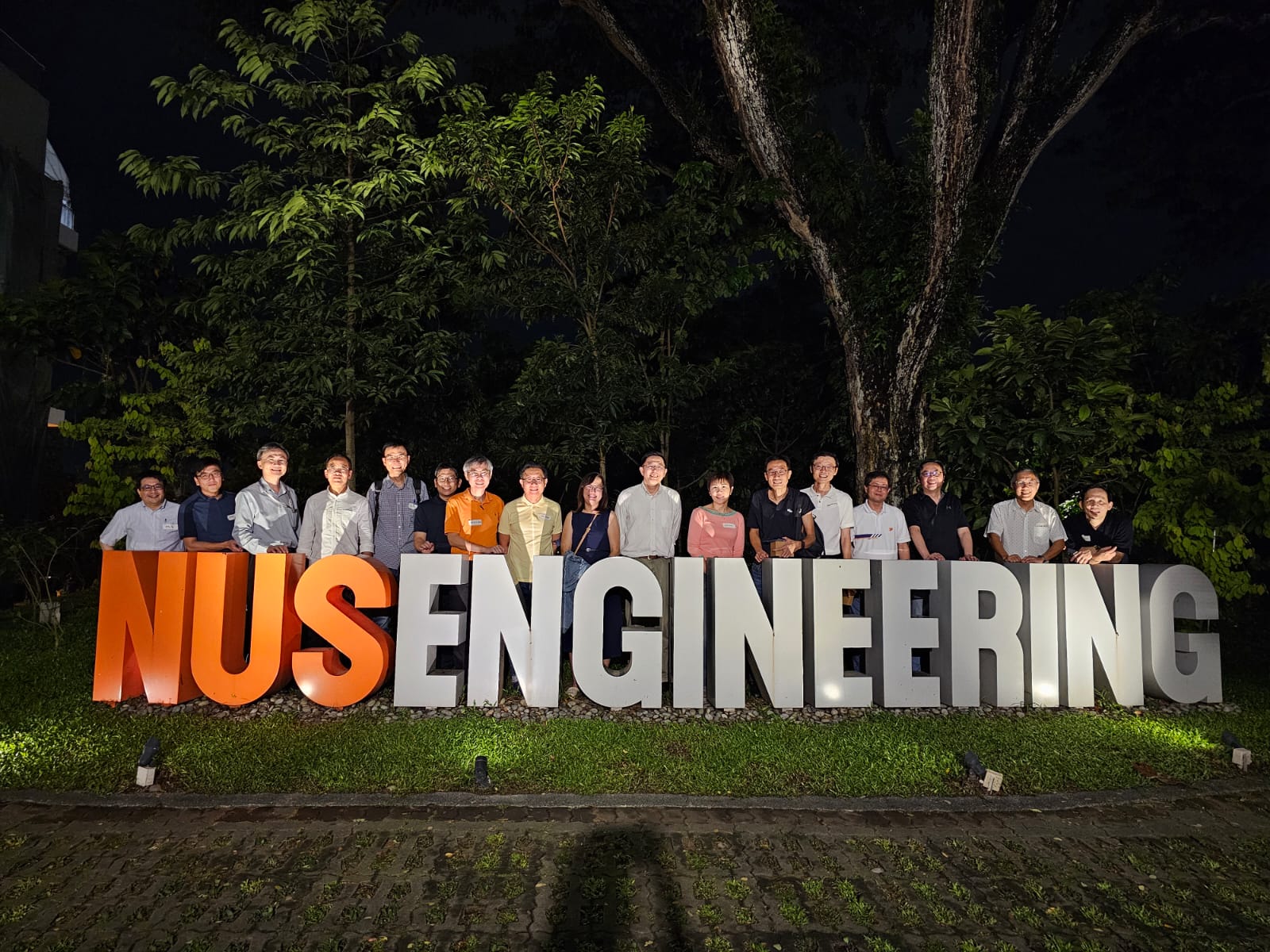
Chemical engineering careers continue to evolve in response to global demands for sustainable solutions, technological innovation, and interdisciplinary expertise. Graduates from prestigious programs, such as the National University of Singapore (NUS) Department of Chemical and Biomolecular Engineering, exemplify this adaptability. Drawing on alumni experiences, this article examines how foundational skills in problem-solving, process design, and systems thinking translate into influential roles across traditional and emerging sectors. Alumni insights reveal the degree's enduring relevance, particularly in addressing sustainability challenges like low-carbon fuels and market analysis. As the field navigates transitions from fossil-based systems to renewable alternatives, these perspectives highlight opportunities for meaningful global contributions.
Background: The Foundations of Chemical Engineering at NUS
The NUS chemical engineering curriculum emphasizes core principles including thermodynamics, reaction engineering, and transport phenomena, while offering flexibility through electives in business, entrepreneurship, and international exchanges. Alumni who graduated around 2005 note that even two decades ago, the program permitted minors in technopreneurship and encouraged exploration beyond pure engineering modules. This interdisciplinary approach prepared graduates for roles integrating technical knowledge with commercial and market considerations.
Contemporary trends reinforce this foundation's value. Global chemical engineering employment is projected to grow steadily, with the U.S. Bureau of Labor Statistics indicating a 3% increase from 2024 to 2034, driven by demand in pharmaceuticals, energy, and manufacturing. In regions like Asia, opportunities arise in sustainable technologies, with roles in renewable fuels and process optimization. Alumni sessions at NUS underscore the program's evolution, now incorporating greater liberty for dual degrees and exchanges, aligning with industry needs for versatile professionals.
Current Insights from Alumni Experiences
NUS alumni provide compelling evidence of the degree's applicability. One executive at S&P Global, holding a leadership role in Chemical Insights, describes how the curriculum's breadth—encompassing plastics, market dynamics, and geopolitical influences—directly supports analytical work in chemicals and sustainability. The role involves assessing supply-demand trends, policy impacts, and business considerations, extending far beyond laboratory or plant operations.
Another alumnus, founder and chief scientific officer of the Asia Sustainable Aviation Fuel Association, highlights the shift toward defossilization. Sustainable aviation fuel (SAF) production from biomass, synthetic sources, or captured carbon dioxide represents a frontier where chemical engineering skills address technical, commercial, and policy hurdles. This work exemplifies the field's contribution to climate goals, transforming complex challenges into scalable solutions.
These narratives align with broader industry patterns. Overseas prospects remain robust, with multinational corporations offering assignments in Europe, Taiwan, or the Middle East for petrochemical plants. Graduates secure positions at entities like TSMC or GSK, often involving international mobility. However, personal factors—family, education preferences—frequently influence decisions.
Key Comparative Data
Table 1: Career Trajectories and Global Projections for Chemical Engineers
Aspect | Traditional Paths | Emerging/Sustainable Paths | Global Growth Projection (2024–2034) |
Primary Industries | Oil & gas, petrochemicals, refining | Sustainable fuels, renewables, biotech | 3% (U.S. BLS); higher in Asia/energy transition |
Key Skills Utilized | Process design, thermodynamics | Problem-solving, innovation, policy integration | Steady demand in pharma/energy |
Overseas Opportunities | MNCs (e.g., GSK Europe, TSMC Taiwan) | Asia-Pacific SAF initiatives | Strong in Middle East, Asia |
Salary Benchmarks | Competitive entry-level to senior roles | Leadership in sustainability associations | Median ~$122,000 USD (U.S.); varies regionally |
Challenges | Fossil dependency, location constraints | Scaling new technologies, policy barriers | Skills gaps in green tech |
This table synthesizes alumni-reported experiences with recent statistical trends, illustrating balanced growth amid sectoral shifts.
Analysis and Implications for Aspiring Engineers
The alumni perspectives converge on several themes: the underrated problem-solving rigor of chemical engineering equips graduates for complex, real-world applications beyond textbooks. While traditional sectors provide stability, emerging areas like sustainable aviation fuel offer excitement through contributions to future generations. Analogously, the discipline mirrors a versatile toolkit—applicable to daily life phenomena like plastics or fuels—fostering relatability and impact.
Contradictions appear in perceptions of the field. Amid rising interest in AI and tech careers, chemical engineering is sometimes viewed as niche or outdated, yet alumni counter this by emphasizing its centrality to energy transitions. Gaps persist in preparing for rapid changes, underscoring the need for lifelong learning and curiosity across technical, commercial, and societal domains.
Figure 1: Conceptual Diagram of Career Pathways in Chemical Engineering

Career Path Decisions and Sustainable Options
This diagram illustrates transitions from foundational education to diverse roles, including sustainable options, reflecting alumni trajectories.
Figure 2: Sustainable Aviation Fuel Production Process
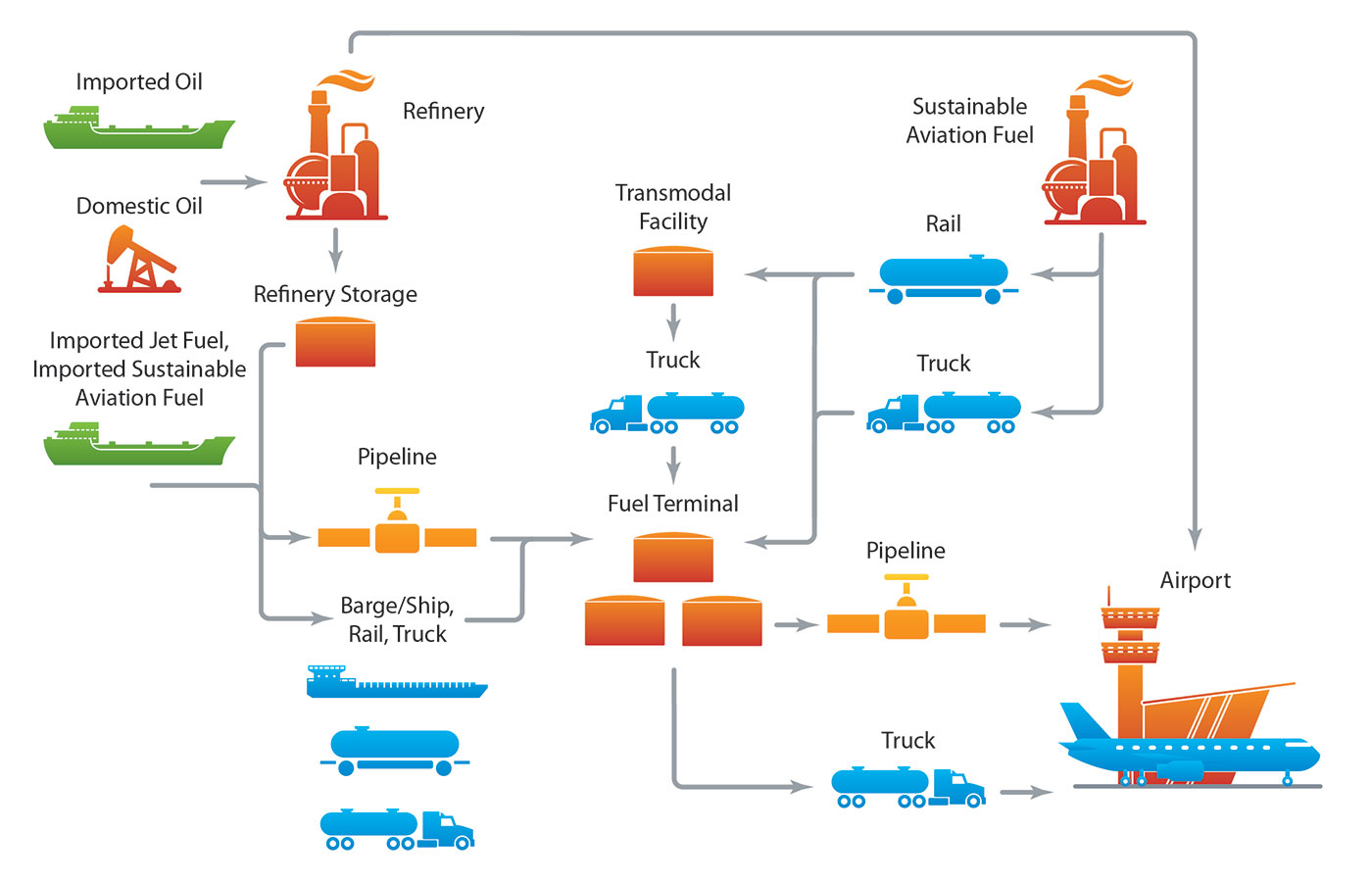
Alternative Fuels Data Center: Sustainable Aviation Fuel
The illustration depicts key steps in SAF production, highlighting chemical engineering's role in biomass-to-fuel conversion and carbon utilization.
These visuals underscore the progression from academic training to impactful global applications.
Conclusion and Future Directions
Alumni from NUS demonstrate that chemical engineering careers extend from rigorous technical foundations to influential positions in analytics, sustainability leadership, and innovation. The degree's flexibility enables navigation of evolving landscapes, from market insights to low-carbon technologies. As global priorities emphasize sustainability, professionals equipped with these skills will drive meaningful change.
Future research should explore integrating AI and advanced simulations into curricula, alongside quantifying contributions to net-zero goals. For aspiring engineers, embracing curiosity, networking, and adaptability remains essential to realizing the field's global potential.
Comments (Write a comment)
Showing comments related to this blog.