Purpose-Driven Career Planning: Integrating Meaning, Discipline, and Market Realities
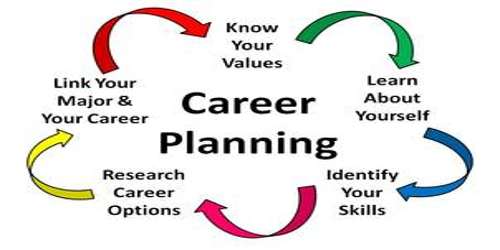
In the contemporary professional landscape, the search for a fulfilling career has transitioned from a simple quest for financial stability to a sophisticated endeavor for self-actualization. True professional success is not a product of chance or the mere following of "passion"; rather, it is the result of purpose-driven career planning. This holistic approach integrates internal giftings, the rigor of discipline, and the objective realities of the market to build a trajectory that offers long-term fulfillment over the fleeting allure of short-term prestige.
The Philosophical Foundation: Meaning and Destiny
At the heart of a purposeful career is the recognition that work serves a function beyond the self. Every career is significant insofar as it solves human problems and meets the needs of society. When individuals view their professional path through the lens of "supporting destiny"—the idea that their unique talents are entrusted to them to fulfill a specific role in the world—the nature of work shifts from a "job" to a vocation.
While a job is often task-oriented and confined to regular hours, a career is a continuous journey of growth. Integrating meaning into this journey requires a shift from seeking "license"—the unrestrained pursuit of whatever feels good in the moment—to "true freedom," which is the disciplined application of one's best abilities to provide value to others.
The Architecture of Discipline: The "Key Skill"
Research into career longevity suggests that discipline is the most critical meta-skill an individual can possess. While "passion" can be an initial spark, it is often transient. Discipline is what sustains a professional through the "unpacked" or "untapped" phases of their potential. Mastery in any field—whether it be pharmacy, software development, or the arts—requires an investment of time that eventually breeds a genuine love for the craft.
This "action-follows-emotion" reversal is a cornerstone of purpose-driven planning. Instead of waiting to feel inspired to work, one works with discipline, and the resulting mastery creates a sense of confidence and enjoyment.
Table 1: Discipline vs. Impulse in Career Development
Development Factor | Impulse-Driven Approach | Discipline-Driven Approach |
Skill Acquisition | Broad but shallow; easily bored. | Deep mastery through consistent practice. |
Response to Failure | Discouragement and "pivoting" too early. | Analysis, learning, and persistence. |
Goal Orientation | Driven by current trends or "FOMO". | Driven by long-term relevance and values. |
Outcome | Professional "stuckness" and regret. | Career capital and increased autonomy. |
Current Findings: Strategic Goal-Setting and Testing
A purposeful career requires more than just a philosophy; it requires a roadmap. Effective career transitions and growth are governed by the "Five Golden Rules of Goal Setting."
- Set Motivating Goals: Goals must be tied to a "why" that resonates with one's core values.
- Utilize SMART Criteria: Objectives must be Specific, Measurable, Achievable, Relevant, and Time-bound to prevent them from remaining vague dreams.
- Commit to Writing: Documenting goals increases accountability and clarity.
- Create an Action Plan: This is the bridge between the current state and the desired future.
- Maintain Flexibility: While the end destination (destiny) remains constant, the "Plan B" must be available to navigate market disruptions like AI or economic shifts.
The Role of Counsel and Experience
Testing a career path through "supplementary" experiences—such as internships, portfolio careers, or freelancing—is essential. Seeking counsel from those further along the path provides a "non-linear" perspective that debunks the myth of the straight-line career. These insights help individuals recognize that challenges are not signs to quit, but "calamities" that build resilience and character.
Analysis: The Synergy of Trust and Market Reality
A holistic career plan acknowledges that human effort must be paired with a degree of trust—whether described as spiritual trust or a confidence in the "back of the universe." This mindset fosters a sense of gratitude, which is a powerful psychological tool. Gratitude for current opportunities, even in "low-level" roles, provides the emotional stability needed to "keep fighting" for higher levels of self-actualization.
Furthermore, market realities must not be ignored. A purpose-driven plan looks for "high-earning viable paths" that align with natural abilities. Financial reward is viewed not as the primary goal, but as a byproduct of high-value service. By focusing on industry-specific certifications and globally recognized skills, professionals ensure their "international adventure" remains sustainable.
Conclusion: Long-Term Fulfillment over Short-Term Prestige
Ultimately, the psychology of a successful career is built on the integration of head and heart. Short-term prestige—titles, social media validation, and immediate high pay—often leads to a "9-to-5" existence characterized by dissatisfaction. In contrast, long-term fulfillment is found in the slow build of a career that utilizes one's "natural giftings" to solve real-world problems.
By setting rigorous goals, maintaining discipline, and trusting in the process of serving others, individuals can navigate the complexities of the modern workforce with clarity. The road to the right career is paved with self-belief, resilience, and a commitment to being the "author of one's own life."
Comments (Write a comment)
Showing comments related to this blog.