Navigating Career Transitions in the AI Era: From Traditional Paths to Emerging Opportunities
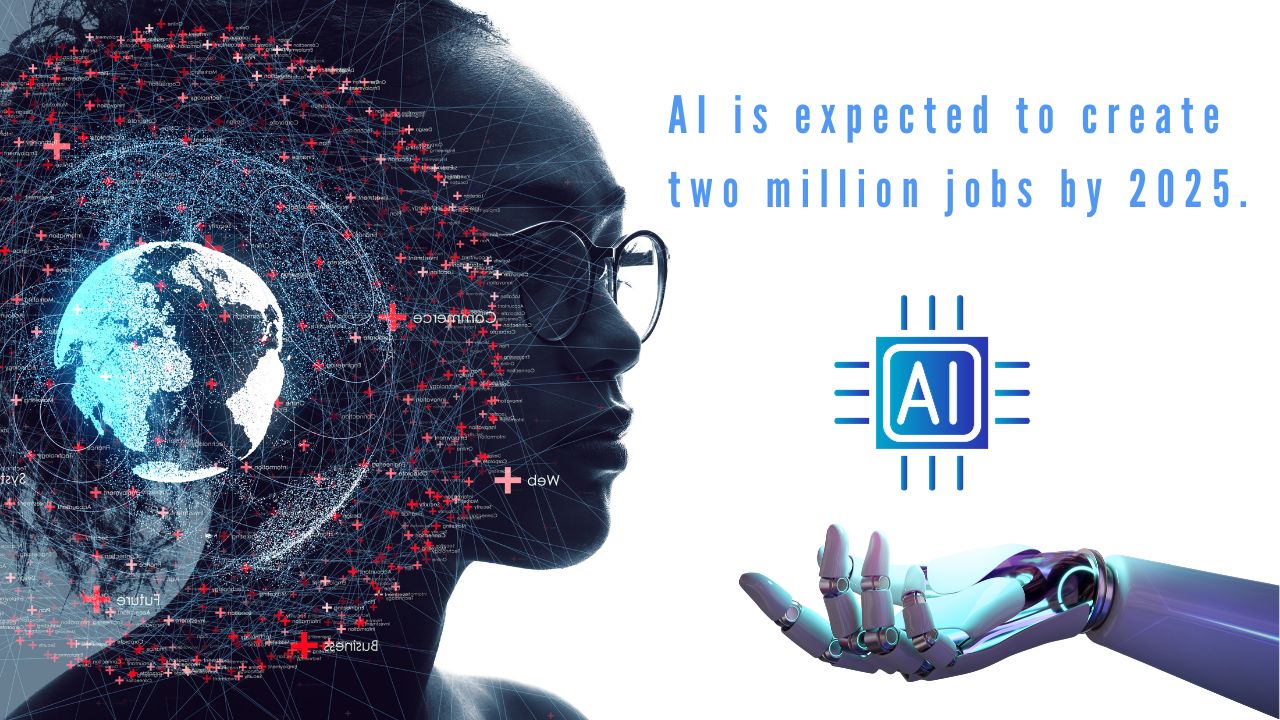
In the contemporary professional landscape, the advent of Artificial Intelligence (AI) and the rapid expansion of the digital economy have fundamentally altered the traditional linear career trajectory. The concept of a lifelong commitment to a single vocation is increasingly being replaced by a model of continuous adaptation and professional fluidity. Navigating career transitions in this era requires a strategic shift from passive employment to active career authorship, leveraging emerging non-conventional routes to maintain long-term relevance and satisfaction.
The AI Disruption and the Shift to "True Freedom"
The integration of AI into the workforce is significantly disrupting white-collar and entry-level positions by automating task-oriented roles. This shift highlights the critical distinction between a "job"—a paid position of regular, task-oriented employment—and a "career," which represents a broader, purpose-driven professional journey. While a job is often confined to specific timeframes and sets of tasks, a career is a continuous pursuit of self-actualization and societal problem-solving.
Feature | Traditional Career Model | AI-Era Adaptive Model |
Path Structure | Linear, stable, predictable. | Non-linear, iterative, pivoting. |
Skill Focus | Specialization in a single field. | Continuous upskilling and "career capital". |
Job Frequency | 1–2 long-term employers. | Multiple roles and "gig" participation. |
Transition Period | Occasional and rapid. | 3–5 year strategic timelines for total pivots. |
Analysis of Strategic Transition Timelines
Successful career transitions are rarely instantaneous. They often follow a 3–5 year timeline that allows for the accumulation of "career capital"—the rare and valuable skills required to gain autonomy and impact in a new field. This period involves testing new directions through "action plans" that remain flexible while keeping the end destination constant.
A key psychological barrier during this transition is "impressionability"—the tendency to be swayed by external opinions or "cookie-cutter" advice. However, when managed correctly, being open to new ideas is a strength that fosters the curiosity and adaptability needed to navigate the AI-driven market.
Implementing the "Road to the Right Career" Framework
To navigate transitions effectively, professionals should adopt a structured methodology:
- Differentiate Job from Career: Focus on long-term vision rather than just task completion.
- Identify Natural Abilities: Focus on the giftings you were "born with" and develop them through specialized certifications (e.g., Cisco, CompTIA) that have global recognition.
- Set SMART Goals: Ensure all professional moves are Specific, Measurable, Achievable, Relevant, and Time-bound.
- Cultivate Gratitude and Resilience: Shifting to a mindset of gratitude provides the emotional confidence needed to "keep fighting" during the uncertainties of a career shift.
Conclusion: Adaptability as the New Professional Standard
The AI era does not signal the end of meaningful work, but rather the beginning of a more dynamic and personalized professional experience. By moving away from "license" and toward the disciplined use of talents to solve societal problems, individuals can transcend the limitations of traditional paths. Success now belongs to those who view their career as an ongoing "international adventure"—an iterative process of learning, serving, and evolving.
Comments (Write a comment)
Showing comments related to this blog.