Aligning Passion with Practicality: Evidence-Based Models for Choosing the Right Career
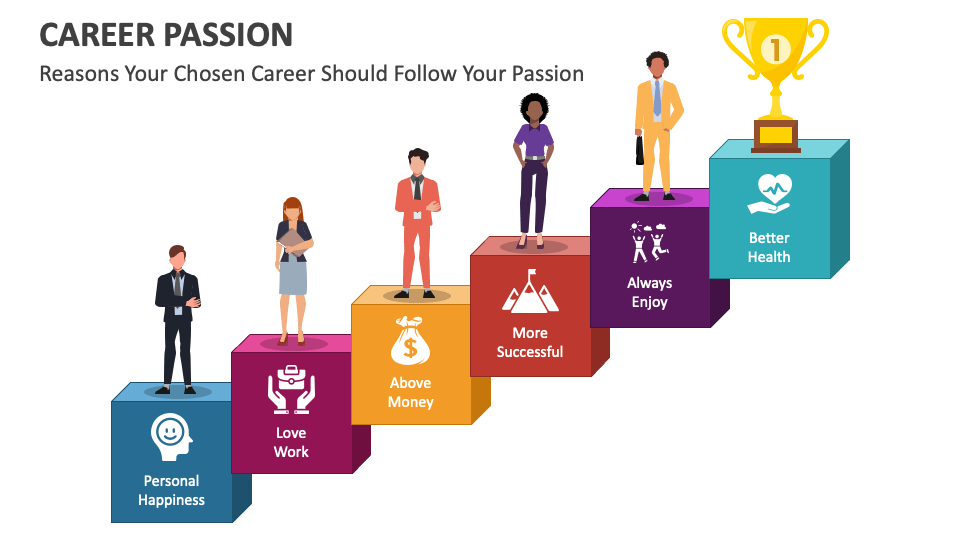
The quest for professional fulfillment is a defining challenge of the modern era. While popular discourse often encourages individuals to "follow their passion," empirical evidence and career counseling frameworks suggest that a more nuanced approach is required. True long-term satisfaction is rarely the result of a singular, spontaneous emotional choice; rather, it emerges from the intersection of self-awareness, market viability, and the disciplined cultivation of expertise. By understanding the psychological and economic models that govern successful professional trajectories, individuals can transition from impulsive decision-making to a strategy that aligns their natural giftings with practical reality.
The Foundation: Giftings, Talents, and Self-Awareness
The first step in choosing a career path is a rigorous assessment of one’s "natural abilities"—the inherent strengths an individual is born with. Unlike skills, which are learned, these abilities represent latent potential. Research indicates that when the "course you study in the university" aligns with these internal attributes, the likelihood of professional mastery increases significantly.
Self-awareness involves differentiating between transient "hobbies" and sustainable "careers." For example, a love for photography may remain a passion project—a creative outlet—or it could be developed into a viable career in photojournalism or commercial branding. The distinction lies in the ability of that activity to solve a tangible human problem. As the principle states: "Every career is significant insofar as it meets the needs of society."
The Investment Model: Why Passion is Often Cultivated, Not Found
A common misconception is that passion must precede action. However, psychological data suggests an "investment breeds love" model. Initial professional engagement may feel unglamorous or even tedious; yet, as an individual invests time in upskilling and masters the nuances of their field, they develop a sense of "career capital."
This capital leads to autonomy and impact, which are the true drivers of professional love. For instance, a pharmacy executive may not have started with a "passion" for pharmaceutical regulation, but through years of advocacy and leadership, they find profound satisfaction in shaping the profession’s future. In this framework, passion is a byproduct of mastery and service rather than a prerequisite for starting.
Current Findings: Balancing Glamour with Market Viability
Data from career counseling sessions reveals a significant tension between "glamorous" fields and "high-earning viable paths." Students are often swayed by social media or peer pressure toward over-saturated or low-yield careers. However, choosing a path that is traditionally viewed as "unglamorous" (e.g., technical trades, specialized healthcare, or logistics) can often lead to greater financial stability and, ironically, more freedom to pursue passion projects on the side.
Table 1: Career Path Viability Matrix
Career Attribute | Passion-First Model | Practicality-First Model | Evidence-Based Hybrid Model |
Primary Driver | Immediate interest/excitement. | Financial stability/market demand. | Natural giftings + societal problem-solving. |
Long-term Risk | High burnout if interest wanes. | Disengagement and "9-5" resentment. | Sustained satisfaction through growth. |
Financial Outlook | Variable; often dependent on "starving artist" grit. | Consistent; focus on high-earning potential. | High; money is a byproduct of high-value service. |
Skill Acquisition | Focuses on what feels "fun". | Focuses on what is "marketable". | Focuses on "hard skills" that leverage "soft giftings". |
The relationship between service and financial reward is frequently misunderstood. When an individual focuses on "serving others first," they identify gaps in the market and solve specific problems. Financial compensation serves as the "byproduct" of this value creation.
Tactical Frameworks: From Goal Setting to Action
To move from theory to practice, career transitions must be governed by structured methodologies rather than "gut feelings" alone. Using the SMART (Specific, Measurable, Achievable, Relevant, Time-bound) criteria is essential for turning a vague desire for change into a concrete action plan.
- Objective Assessment: Use tools like "Life Hubs" or journaling to identify core values and "untapped abilities."
- Market Research: Look into "industry-specific certifications" (e.g., CompTIA, Cisco) that are globally recognized to ensure your skills are transferable, especially if considering a career abroad.
- The "Plan B" Strategy: Career paths are rarely linear. Maintain a flexible "Action Plan" that allows for pivots while keeping the end destination—self-actualization—constant.
- Portfolio Careers: For those with diverse interests, building a "portfolio career"—where one freelances or consults alongside a primary job—allows for the exploration of passion projects without sacrificing financial security.
Conclusion: The Path to True Professional Freedom
Ultimately, the psychology of a successful career rests on the balance between "head and heart." While it is important to acknowledge what brings joy, it is equally vital to trust the "head" to select a path that is sustainable and serves a greater purpose. True freedom in the professional world is not the "license" to do whatever one wants at any moment, but the ability to pursue a path that utilizes one’s best talents to solve the world's problems. By shifting the focus from "finding passion" to "creating value," professionals can eliminate the risk of regret and build a life of enduring satisfaction.
Comments (Write a comment)
Showing comments related to this blog.