How People Become Possessed: The Dark Practices and Psychedelic Doorways That Invite Demonic Attack
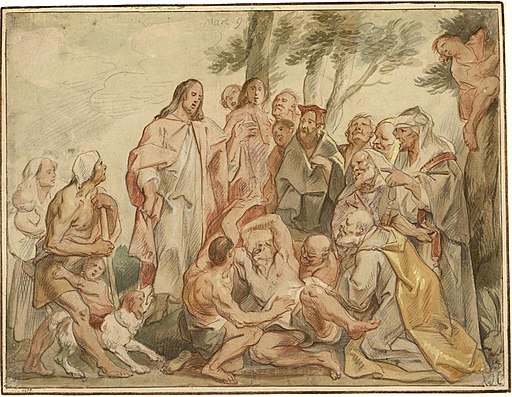
Demonic possession doesn't happen randomly. It's not like catching a cold or being struck by lightning.
According to Dr. Richard Gallagher, a psychiatrist who has evaluated hundreds of potential possession cases over 25 years, there's a clear pattern: "It doesn't come out of the blue. Somebody is not just going to wake up one morning and their family says, 'My God, you're possessed.' It doesn't work that way."
So how does it happen? What opens the door?
The answer is both simple and sobering: People who get possessed are, by and large, people who have turned to evil or something very dark in terms of practices.
Let's examine the pathways that lead to possession, including the controversial question of whether psychedelics and plant medicines can open doorways to demonic attack.
The Fundamental Principle: You Must Open the Door
Possession requires invitation—not necessarily a formal "please possess me" invitation, but choices and practices that create openings.
Think of it like home security. Your house doesn't get robbed randomly while you're home with the doors locked and alarm on. Criminals look for:
- Unlocked doors
- Open windows
- Disabled alarms
- Vulnerable targets
Similarly, demons don't possess people who:
- Live faithful, righteous lives
- Practice regular prayer and spiritual discipline
- Avoid occult practices
- Maintain moral boundaries
- Stay connected to God
Possession requires vulnerability—and that vulnerability is almost always self-created through specific choices.
The Dark Practices That Open Doorways
1. Satanism and Satan Worship
The Most Direct Path
Dr. Gallagher's most dramatic case involved "a woman who was a Satanist. Now again, I don't see Satanists everywhere, but they do exist and they do some nefarious stuff."
This woman had devoted "a large part of her life" to worshiping Satan. She performed rituals, participated in satanic cult activities, and actively sought Satan's favor.
Why would someone do this?
"Why would you become a Satanist unless you thought you got something out of it?" Dr. Gallagher asks.
She felt she received favors from Satan:
- Paranormal powers she "loved boasting about"
- Abilities she demonstrated to Dr. Gallagher directly
- Benefits she considered worth the spiritual cost
The inevitable result: She became severely possessed, eventually levitating during exorcisms and manifesting dramatic demonic presence.
The tragic outcome: Even though she eventually felt "betrayed by Satan," she never fully committed to leaving the cult, so she was never delivered from possession. "You can't have it both ways. You can't have your cake and eat it too."
Key Point About Satanism:
Modern Satanism comes in different forms:
- Actual Satan worship: Rare but real. These individuals actively worship and serve Satan through rituals and practices
- "Symbolic" Satanism: People who claim Satan is just a symbol of rebellion (these people typically don't get possessed)
- Dark occult practices: May not explicitly worship Satan but engage in practices that invite demonic influence
True Satan worship—the real deal—almost guarantees demonic oppression and frequently leads to possession.
2. Dark Occult Practices and Cults
Santa Muerte and Similar Cults
Dr. Gallagher mentions "a Mexican cult called Santa Muerte, which means 'holy death.' It's kind of a perverse religious icon that people can turn to for favors or to hurt people, stuff like that. Some kind of dark magic type of thing."
People turn to these practices to:
- Gain favors or benefits
- Harm enemies
- Acquire power or money
- Protect themselves through dark means
The problem: "Those people open themselves up to possession."
Other dark practices that create vulnerability:
- Attempting to summon or communicate with demons
- Participating in black magic rituals
- Using curses or hexes against others
- Seeking powers through dark spiritual sources
- Attending occult gatherings or ceremonies
- Using objects or symbols associated with dark practices
3. Criminal Lifestyle Combined with Dark Practices
Gangsters and Criminals
"I've seen a number of gangsters who are possessed," Dr. Gallagher notes.
The combination is particularly dangerous:
- Living a life of violence and cruelty
- Often simultaneously engaging in occult practices
- Frequently invoking dark spiritual protection
- Participating in gang rituals that involve occult elements
- Using Santa Muerte or similar figures
It's not just being a criminal—plenty of criminals aren't possessed. It's the combination of criminal cruelty with turning to dark spiritual practices.
4. Extreme Cruelty and Sadism
When Evil Actions Open Doors
"There appear to be people who commit some type of cruelty or sadism or what Christians would regard as very sinful behavior, and they open themselves up to these attacks too."
Dr. Gallagher is "not a very judgmental person," but he notes that certain levels of deliberate evil can create vulnerability:
- Sustained cruelty toward others
- Sadistic behavior
- Deliberate, repeated evil actions
- Taking pleasure in causing harm
- Complete abandonment of moral restraints
Important distinction: This doesn't mean every sin leads to possession. It means persistent, deliberate, extreme evil—particularly when combined with spiritual rebellion—can open doors.
These cases more often lead to oppression (lesser attacks) rather than full possession, but the vulnerability is real.
5. Séances and Attempted Spirit Communication
Playing with Ouija Boards and Summoning Spirits
While not always leading to possession, attempting to communicate with spirits is dangerous:
- You don't control what responds
- Demons often pretend to be deceased relatives or benign spirits
- You're explicitly inviting spiritual entities to interact with you
- You have no protection or discernment
From Islamic teachings (mentioned in earlier content): The angels Harut and Marut warned mankind explicitly: "We are a test from Allah. Do not come close to us. This is kufr (disbelief)."
The methodologies to communicate with jinn/demons—Ouija boards, séances, spirit summoning—all trace back to practices that were explicitly forbidden as opening doors to evil.
6. Deep Involvement in "Neutral" Occult Practices
The Slippery Slope
Some practices seem neutral or even positive but can lead to dangerous territory:
- Deep involvement in certain New Age practices
- Channeling spirits or entities
- Seeking "spirit guides"
- Prolonged engagement with practices that invite unknown spiritual entities
Dr. Gallagher mentions concerns about certain Jungian practices: "In Zurich where the Jungian elite hang out, they're all basically occultists."
The problem: When you open yourself to "spirits" without discernment, you cannot control what enters.
The Psychedelic Question: Ayahuasca, DMT, and Spiritual Doorways
This is one of the most controversial questions in modern spirituality: Can psychedelics open you to demonic attack?
Dr. Gallagher's answer is nuanced but clear: "I do think it's more about evil intentions... but there is no question that some people who turn to serious drug abuse are doing something destructive, and when you turn to something destructive in your life, you probably do open yourself up to darker forces."
The Ayahuasca Case: Angels or Demons?
Dr. Gallagher shares a chilling example:
"I remember a woman who turned to ayahuasca in Peru and she eventually had demonic spirits who she felt originally fooled her and presented themselves as angels or something like that. Eventually they did not want to let her go, and she suffered from a severe demonic attack for many many years."
Let's unpack this:
Phase 1: The Deception
- Woman seeks spiritual experience through ayahuasca
- Entities appear to her during ceremonies
- They present themselves as angels, guides, or benign spirits
- She believes she's having authentic spiritual enlightenment
- The experiences feel positive, profound, meaningful
Phase 2: The Trap
- The entities reveal their true nature
- They refuse to leave her
- What seemed like angels were actually demons
- She realizes she was deceived from the beginning
Phase 3: The Torment
- Severe demonic attack lasting many years
- Unable to free herself from the entities
- The "spiritual enlightenment" becomes spiritual bondage
This is exactly what demons do: They deceive, then entrap.
Why Psychedelics Can Be Dangerous
Dr. Gallagher explains the mechanism:
1. They're Often Pursued with Wrong Intentions
"A lot of people turn to psychedelics or other practices like shamanism in search of experiences that they often interpret as sort of mystical, or joining the universe, and all these kinds of things. I think those people are usually fooled. I think the experiences they have are illusory."
2. They Seek "Enlightenment" From Wrong Sources
"There are some people who seriously turn to that stuff for a type of enlightenment, and those people are likely to be fooled in that sense. They're likely to be attacked."
3. They Open Doors Without Protection
When you use psychedelics seeking spiritual experiences, you're essentially saying: "I'm open to whatever spiritual entities want to communicate with me."
But you have:
- No discernment about what's responding
- No protection against malevolent entities
- No framework to distinguish good from evil spirits
- No ability to close the door once opened
It's like posting on social media: "My front door is unlocked, I'm alone, and everyone is welcome." You'll get visitors—but not necessarily the ones you want.
The "Controlled Settings" Argument
Dr. Gallagher acknowledges: "Even in psychiatry, I am a psychopharmacologist, there are people who feel under certain controlled conditions it could even be helpful of sorts."
Some research suggests potential therapeutic benefits for:
- PTSD treatment
- Depression
- End-of-life anxiety
- Addiction
But there's a critical difference between:
Medical/therapeutic use:
- Controlled clinical settings
- Trained medical supervision
- Specific therapeutic goals
- Not seeking "spiritual entities"
- Screening for vulnerable individuals
Spiritual seeking use:
- Jungle ceremonies with shamans
- Explicitly seeking contact with "spirits"
- Opening oneself to unknown entities
- Often combined with occult frameworks
- No medical or psychological screening
The Shamanism Problem
Dr. Gallagher's concerns extend to shamanism itself:
The practices that seem "ancient" and "traditional" often involve:
- Summoning spirits
- Channeling entities
- Entering altered states to contact the spirit world
- Assuming all spirits encountered are benign
From both Christian and Islamic perspectives, these are exactly the practices that invite demonic contact.
The fact that a practice is ancient doesn't make it safe. Human sacrifice was ancient too. Antiquity isn't validation.
Not Everyone Who Uses Psychedelics Gets Attacked
Dr. Gallagher is careful: "I'm sure there are many people who just experiment and get a kick out of whatever experience they have."
The risk factors seem to be:
Lower risk:
- Recreational curiosity
- One-time or occasional use
- Not seeking spiritual entities
- Not believing experiences are "real"
- Good psychological health
Higher risk:
- Seeking spiritual enlightenment
- Repeatedly pursuing contact with entities
- Believing entities are real and benign
- Deep involvement in shamanic practices
- Psychological vulnerability or trauma
- Combining with other occult practices
Highest risk:
- Actively seeking spirit guides
- Inviting entities to "stay with you"
- Combining psychedelics with occult rituals
- Already being involved in dark practices
- Having malicious intentions
The Deception Pattern
Here's what makes psychedelic "spiritual experiences" particularly dangerous:
Demons are experts at deception.
They will:
- Present themselves as angels, guides, or ascended masters
- Give you experiences that feel profound and positive
- Tell you what you want to hear
- Slowly gain your trust
- Only reveal their true nature once you're entrapped
The ayahuasca woman's experience perfectly illustrates this: Entities that seemed like angels were actually demons. By the time she realized the truth, they "did not want to let her go."
This is their strategy: Bait and switch.
Trauma and Vulnerability: An Important Nuance
Dr. Gallagher studied trauma formally at Cornell Medical College: "Literally hundreds of people who were traumatized. These people weren't getting demonically attacked."
Trauma itself doesn't cause possession.
However: "Trauma can make people vulnerable, number one psychologically, and they can turn to stuff. And number two, sometimes it can make them very bitter and unforgiving."
The pathway:
- Person experiences trauma
- Trauma creates psychological vulnerability
- Vulnerability leads to bitterness, unforgiveness, or seeking answers in wrong places
- Person turns to dark practices, psychedelics, or occult seeking relief
- These choices open doors to demonic influence
It's not the trauma—it's what people do in response to trauma that creates risk.
The Dangerous Emotions
Dr. Gallagher identifies specific emotional states that increase vulnerability:
- Bitterness: Hardening your heart against others
- Unforgiveness: Refusing to release grudges
- Cruelty: Taking pleasure in others' pain
"Those are the kind of things—bitterness, cruelty, unforgiveness—that can sometimes open up people to the demonic, although usually lesser, usually not possession or something."
These emotions don't cause possession directly, but they create spiritual vulnerability, especially when combined with other risk factors.
What Doesn't Cause Possession
It's important to clarify what Dr. Gallagher has NOT found to cause possession:
Being a Good Person Going Through Hard Times
"A good, decent, sincere person is not likely to be attacked."
Having Mental Illness
Mental illness itself doesn't invite possession. Thousands of people with depression, anxiety, schizophrenia, etc., are not possessed.
Being Traumatized
Trauma victims aren't automatically vulnerable to possession unless they respond to trauma by turning to dark practices.
Making Normal Mistakes or Sins
Everyone sins. Normal human weakness doesn't open doors to possession. It's persistent, deliberate evil that creates vulnerability.
Being Religious or Spiritual
Seeking God, practicing faith, praying—these protect against possession, they don't cause it.
Being Curious About the Occult
Reading about these topics, learning about demons, having academic interest—these don't cause possession. It's active participation in dark practices that creates risk.
The Progression Pattern
Possession typically follows a progression:
Stage 1: Opening the Door
- Person engages in dark practices
- Uses psychedelics seeking spirits
- Participates in occult rituals
- Worships Satan or dark entities
- Commits persistent, deliberate evil
Stage 2: Initial Contact
- Strange experiences begin
- May seem positive at first (deception)
- Person feels they're gaining power or knowledge
- Entities present themselves as helpful
Stage 3: Increasing Influence
- Experiences become more frequent
- Person becomes more involved
- Dependence on the practices develops
- Life begins to deteriorate in subtle ways
Stage 4: Oppression
- Clear attacks begin
- Nightmares, physical disturbances
- Mental torment
- Still not full possession
Stage 5: Possession
- Entity gains control over person's agency
- Trances and manifestations
- Person loses voluntary control
- Demon can speak and act through them
Not everyone progresses through all stages. Many stop at oppression. But the pattern shows how doors open gradually.
How to Protect Yourself
Based on Dr. Gallagher's findings and traditional religious wisdom:
What TO Do:
- Maintain regular prayer and spiritual practice
- Stay connected to a faith community
- Practice forgiveness and avoid bitterness
- Seek God through legitimate spiritual paths
- Get proper psychological help for trauma
- Maintain moral boundaries
- Be discerning about spiritual experiences
What NOT To Do:
- Never participate in Satanism or Satan worship
- Avoid all occult practices (magic, séances, spirit summoning)
- Don't use psychedelics seeking spiritual entities
- Don't engage with practices designed to contact spirits
- Avoid dark spiritual cults (Santa Muerte, etc.)
- Don't combine criminal lifestyle with occult practices
- Never invite or welcome unknown spiritual entities
If You've Already Opened Doors:
The ayahuasca woman and the Satanist illustrate something crucial:
Dr. Gallagher notes that "even people who get exorcisms, it's not magic. People have to work at it. They have to turn to God or Christ. They have to reform their lives. They have to get rid of anything evil or superstitious or occultic in their lives, because otherwise they will not be delivered."
Steps to take:
- Completely cease all dark practices
- Remove all occult objects from your home
- Seek help from legitimate religious authorities
- Commit fully to spiritual reform
- Be patient—deliverance takes time and effort
- Don't go back to the practices that opened doors
The Bottom Line on Psychedelics and Possession
Dr. Gallagher's position is balanced but clear:
Psychedelics themselves may not directly cause possession, but they can open doorways, especially when:
- Used specifically to contact spirits
- Combined with shamanic or occult practices
- Pursued as a path to "enlightenment"
- Used by people already spiritually vulnerable
The ayahuasca case demonstrates the danger: What seems like angelic contact can be demonic deception, and by the time you realize the truth, the entities may not want to let you go.
His advice: "It's not something I recommend, and it could possibly open people up."
The Universal Pattern
Whether through Satanism, occult practices, psychedelics, or extreme evil, the pattern is consistent:
You must open the door. Possession requires invitation—explicit or implicit.
No one wakes up randomly possessed. It happens because they:
- Turned to darkness deliberately
- Sought contact with spirits without discernment
- Engaged in practices that invite demonic presence
- Persisted in evil despite warnings
- Opened themselves spiritually to unknown entities
The good news: If you don't open doors, you don't need to fear possession.
The warning: Many doors don't look dangerous until you've walked through them and found yourself trapped on the other side.
Be wise. Be discerning. And remember: Not every spiritual experience is divine. Some angels are actually demons in disguise.
Comments (Write a comment)
Showing comments related to this blog.