From Nervous to Master: Practice, Props, Preparation, and the 10,000-Hour Shortcut in Public Speaking
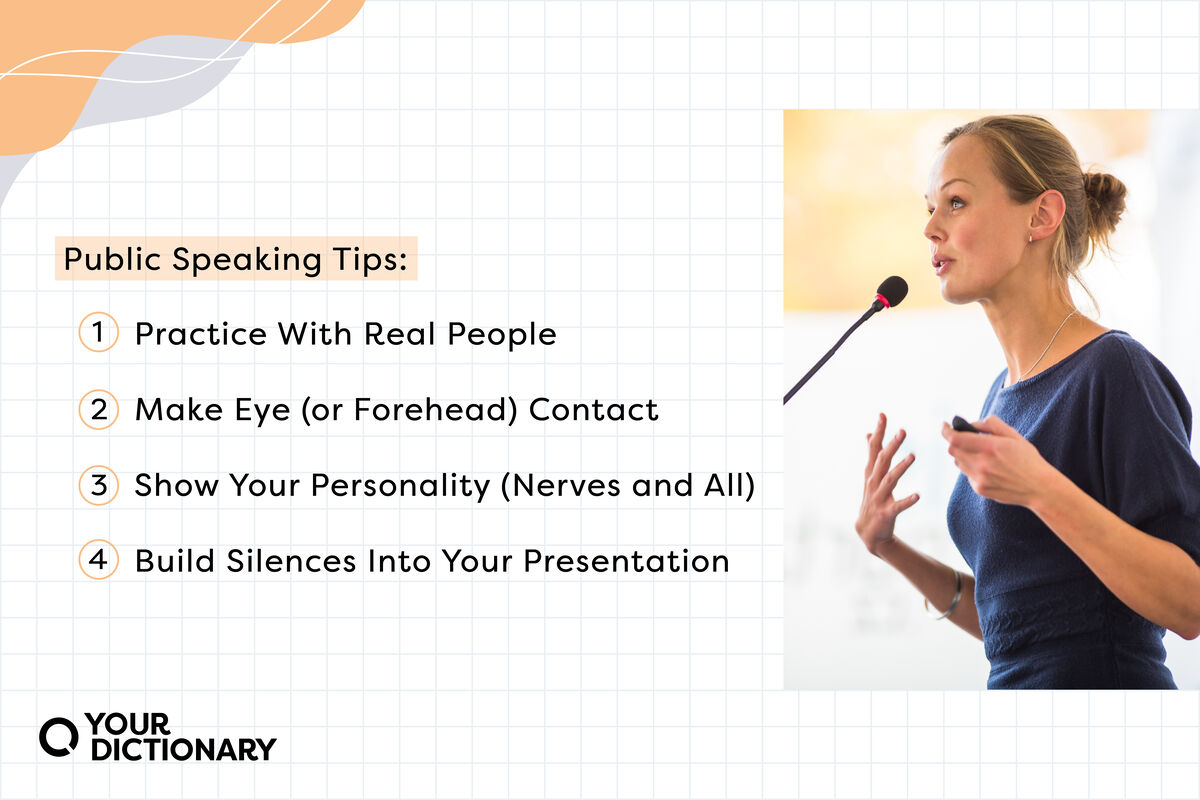
Public speaking remains one of the most common sources of performance anxiety, yet evidence from accomplished orators consistently demonstrates that mastery is achievable through deliberate, structured practice rather than innate talent alone. The journey from nervous novice to confident presenter hinges on four interlocking elements: intensive rehearsal, strategic use of physical props, meticulous preparation, and the accelerated application of the so-called 10,000-hour rule. This article synthesizes established practitioner insights to examine how these components interact to transform speaking ability.
Background: Why Fear Persists and How Competence Overcomes It
Fear of public speaking—often ranked higher than fear of death in informal surveys—stems primarily from perceived vulnerability and the anticipation of negative evaluation. Physiological responses (increased heart rate, shaky voice, “hamster hands”) are natural sympathetic nervous system activations that most inexperienced speakers interpret as danger signals.
Experienced speakers, however, reframe these sensations. Excitement and nervousness produce almost identical bodily states; the critical difference lies in cognitive labeling. Skilled presenters actively cultivate physiological calm through controlled breathing (deep diaphragmatic inhalations that signal safety to the autonomic nervous system) and deliberately shift attention outward toward the audience and message rather than inward toward self-evaluation. This outward focus is repeatedly cited as the moment when stage fright begins to recede.
Deliberate Practice and the 10,000-Hour Shortcut
The notion that approximately 10,000 hours of deliberate practice separates experts from amateurs has been widely popularized, particularly in domains requiring motor and cognitive skill integration such as music, athletics, and public speaking.
One well-documented case illustrates an accelerated pathway. An individual with severe lifelong public-speaking anxiety committed to performing stand-up comedy every night for a full year—an intensive regimen estimated at roughly four hours per day of stage time plus material preparation. This compressed timeline aligns with the 10,000-hour benchmark when stage hours, writing, and deliberate self-critique are aggregated.
Several mechanisms explain why this immersion produces rapid improvement:
- Desensitization — Repeated exposure to the feared stimulus (being watched while speaking) reduces the amygdala’s threat response over time.
- Pattern recognition — Frequent performance allows the speaker to recognize and interrupt unproductive habits (filler words, monotone delivery, looking at notes excessively).
- Audience feedback loops — Live audiences provide immediate, unfiltered reactions that guide adjustment far more effectively than solitary rehearsal.
Importantly, the quality of practice matters more than raw hours. Deliberate practice involves specific goal-setting, focused repetition, immediate feedback, and continuous refinement—criteria that distinguish casual rehearsal from expert-level training.
Table 1: Comparison of Practice Approaches in Public Speaking
Practice Style | Hours per Week (Typical) | Feedback Source | Primary Outcome | Approximate Time to Competence |
Casual / occasional | 1–3 | Self or friends | Minor confidence gains | 3–7 years |
Structured rehearsal | 5–10 | Video recording | Noticeable technique improvement | 18–36 months |
Intensive immersion | 20–30 (stage + prep) | Live audiences | Rapid skill acquisition & desensitization | 9–18 months |
Professional coaching + immersion | 15–25 | Coach + audience | Professional-level polish | 12–24 months |
Strategic Use of Props and Visual Aids
Physical objects can serve as powerful cognitive and emotional anchors during a presentation. Props achieve three principal functions:
- Reduce cognitive load — A tangible object externalizes part of the message, freeing working memory for delivery and audience connection.
- Create memorable imagery — Concrete items are far easier to recall than abstract concepts.
- Signal authenticity — Hand-held objects often convey that the speaker is demonstrating rather than merely describing.
Examples include a steel ball dropped to illustrate gravity and inevitability, a bicycle wheel spun to demonstrate momentum, or a simple prop that visually contradicts an audience’s expectation. When used judiciously, props shift attention momentarily from the speaker to the idea, paradoxically increasing perceived speaker confidence.
Slides, by contrast, frequently undermine rather than support delivery when over-relied upon. Reading bullet points verbatim disconnects the speaker from the audience and signals lack of mastery. Best practice dictates that visual aids should complement, never substitute for, the spoken narrative.
Figure 1: The Prop-Impact Matrix (Conceptual diagram showing four quadrants)
- High memorability + Low distraction → Steel ball, physical model
- High memorability + High distraction → Overly complex prop, lengthy demonstration
- Low memorability + Low distraction → Simple text slide
- Low memorability + High distraction → Dense bullet-point slide with speaker reading
The most effective quadrant is high memorability with low distraction—precisely where purposeful props excel.
Preparation: From Script to Spontaneous Mastery
Preparation exists on a continuum from fully scripted to entirely unscripted delivery. Evidence strongly favors a middle path: writing a complete script, internalizing it deeply, then rehearsing until the language feels like natural thought rather than recitation.
Early rehearsal often produces a “robot stage” characterized by flat intonation and visible recall effort. Continuing past this plateau yields a critical transition: the speaker regains access to authentic emotion and can focus on meaning rather than wording. Only at this stage does memorized material sound spontaneous.
For speakers who prefer less scripting, mental “labels” or journey markers for each major section provide sufficient structure without sacrificing freshness. Regardless of approach, preparation must include:
- Multiple recorded rehearsals analyzed for filler words, pacing, and eye contact
- Practice under simulated pressure (time limits, audience proxies)
- Deliberate work on opening and closing statements—the two moments of highest audience attention
Analysis and Implications
The convergence of these elements—intensive deliberate practice, strategic props, rigorous preparation, and physiological self-regulation—creates a compounding effect. Early wins in one domain (for instance, mastering deep breathing) reduce anxiety, freeing cognitive resources for storytelling and audience connection, which in turn reinforce confidence.
Contradictions exist. Some accomplished speakers advocate complete improvisation, while others insist on near-perfect memorization. The resolution appears context-dependent: high-stakes, time-constrained, or technically complex presentations benefit most from scripting, whereas narrative-driven or highly interactive formats reward flexibility.
The most consistent finding across approaches is that competence dramatically reduces fear. Mastery is not the absence of nerves; it is the presence of superior skill that renders those nerves irrelevant.
Conclusion
Transforming from a nervous speaker to a masterful one is neither mysterious nor unattainable. It requires structured, deliberate practice (potentially accelerated through immersion), thoughtful integration of physical props, meticulous preparation that moves beyond rote memorization, and conscious management of physiology. These elements interact synergistically, each reinforcing the others.
For aspiring speakers, the central implication is clear: invest in high-quality, feedback-rich practice rather than waiting for confidence to arrive spontaneously. The path is demanding but remarkably reliable. Those who commit to it do not merely reduce fear—they replace it with authority, presence, and impact.
Comments (Write a comment)
Showing comments related to this blog.