From Lemonade Stands to Six-Figure Earnings: Real-World Activities to Launch Young Entrepreneurs
Introduction
The journey from a simple lemonade stand to achieving six-figure earnings before adulthood exemplifies the transformative power of early entrepreneurial activities in fostering independence, creativity, and financial acumen. As documented across diverse parental testimonies and expert analyses in transcripts from podcasts such as Call Me CEO, Junior Moguls, and Raising Game Changers, initiating young people in hands-on business ventures cultivates essential life skills far beyond monetary gain. These real-world activities—ranging from neighborhood sales to online reselling—provide structured opportunities for experimentation, failure, and growth. This article synthesizes insights from 15 sources, highlighting progressive activities that build toward substantial success, while emphasizing parental support without over-control. By examining age-appropriate ventures and documented outcomes, parents can guide children toward becoming self-reliant creators rather than passive consumers.
Background: The Evolution of Youth Entrepreneurship
Youth entrepreneurship has evolved from classic childhood enterprises like lemonade stands to sophisticated digital ventures, driven by accessible technology and shifting societal attitudes toward risk and innovation. Historical examples, such as Mikaila Ulmer's Me & the Bees Lemonade (inspired by a bee sting and family recipe, leading to national distribution), illustrate how early, passion-led projects can scale dramatically. Similarly, modern cases include teens earning six figures through e-commerce, app development, or content creation, as seen in stories of young founders selling gaming sites or luxury jewelry lines for substantial sums.
Transcripts reveal a consensus: starting small builds foundational skills. Connor Boyack's Children's Entrepreneur Market demonstrates how organized events transform hobbies into revenue streams, while April Taylor's Junior Moguls outlines a six-step progression from idea generation to scaling. Parental narratives, including those from the Heinz family (four teen businesses in video editing, nails, body butter, and apparel) and anonymous accounts of sons earning six figures via crypto and reselling, underscore that consistent exposure yields exponential growth.
Progressive Real-World Activities for Young Entrepreneurs
Entrepreneurial activities progress with age, allowing children to develop skills incrementally. Below is a structured overview.
Early Childhood (Ages 5–10): Building Basics Through Simple Ventures
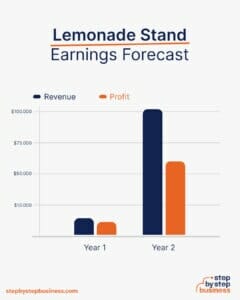
Young children thrive on tangible, low-risk activities that teach value exchange. Lemonade stands remain archetypal, teaching pricing, customer interaction, and basic math. Transcripts describe children earning $100+ in a day, learning generosity from tips and problem-solving when supplies run low.
Commission-based chores evolve into micro-ventures, such as baking or crafting for sale. Shae Bynes recounts her 7-year-old daughter starting baking and reselling, while the Heinz family encouraged personality-aligned businesses.
Here are selected images of children engaging in classic lemonade stands, illustrating the simplicity and joy of these early ventures:

Middle Childhood (Ages 11–14): Scaling with Creativity and Markets
Pre-teens leverage markets and online platforms. Boyack's Children's Entrepreneur Market enables booth-based sales of crafts or services, fostering negotiation and marketing. Teens resell items on eBay or Craigslist, as in one transcript where a 10-year-old consigned goods for profit.
Handmade products—press-on nails, body butter, or custom apparel—gain traction, with Heinz daughters featured in media.
Group events at markets provide peer learning:

These images show collaborative environments that build confidence.
Adolescence (Ages 15–18): Digital Scaling and High-Earnings Potential
Teens pursue advanced ventures like online stores, apps, or content creation. Examples include six-figure earnings from gaming sites, luxury jewelry, or crypto advice. One transcript details a son earning six figures before 18 through trading and reselling.
Digital tools enable global reach, with live streaming or e-commerce amplifying handmade goods.
Analysis: Success Factors, Challenges, and Balanced Insights
Success correlates with parental support (encouragement without takeover), passion alignment, and learning from failure. Sources agree on experimentation's value—Heinz family's "expose-encourage-experiment" model—but note challenges: market fluctuations, scams, or burnout.
Contradictions are minor; most emphasize resilience over perfection. Gaps include digital access inequities, yet platforms like GoHenry aid financial literacy.
Conclusion and Future Directions
From humble lemonade stands to six-figure enterprises, real-world activities equip young entrepreneurs with resilience, creativity, and financial independence. Key findings highlight progressive ventures, parental guidance, and passion as drivers of success. Parents should foster experimentation while providing guardrails.
Future directions include expanded digital education and inclusive programs. By supporting these journeys, families cultivate not just business owners but innovative leaders.
Comments (Write a comment)
Showing comments related to this blog.