Success Stories, Challenges, and Real Talk: Marriage, Finances, Dropout Reasons, and Motivation Strategies at the Islamic University of Madinah
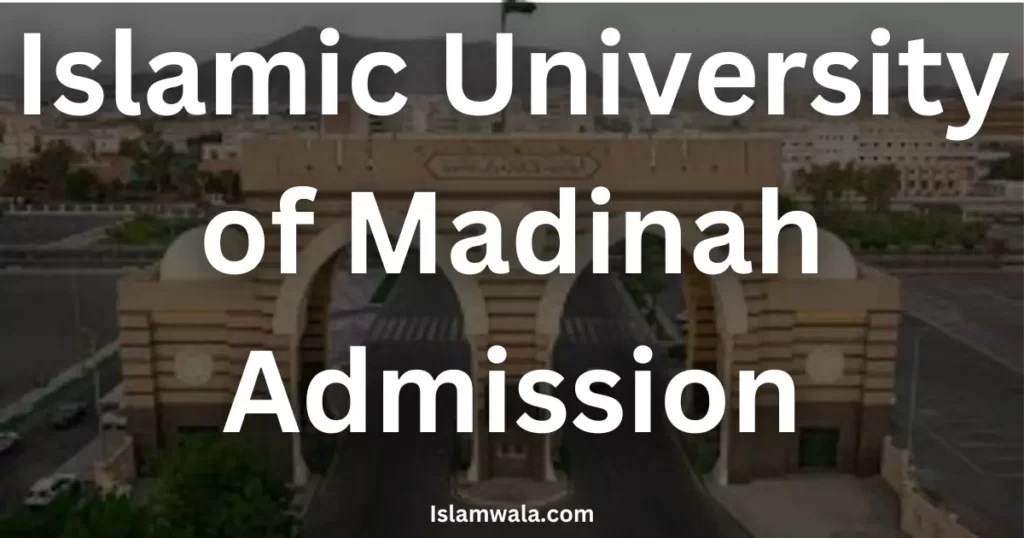
The Islamic University of Madinah (IUM) represents one of the most spiritually and academically significant destinations for international students pursuing classical Islamic knowledge. Every year, thousands of young men from over 170 countries are accepted into its fully funded scholarship program, yet only a portion complete the multi-year journey. Behind the widely shared images of Masjid an-Nabawi visits and graduation ceremonies lies a much more complex reality involving profound personal growth, serious challenges, financial realities, marital decisions, and the ever-present risk of dropping out. This article examines these dimensions through patterns observed across student experiences, offering a balanced and evidence-informed perspective on success, struggle, and sustained motivation.
The Dual Reality: High Aspiration Meets Harsh Adjustment
The promise of studying in the Prophet’s city with zero tuition fees, free accommodation, a monthly stipend, and daily proximity to Masjid an-Nabawi attracts sincere and ambitious applicants. However, the transition from acceptance to graduation is rarely linear. The first 6–18 months frequently emerge as the most testing period due to intensive Arabic acquisition, cultural adjustment, homesickness, academic pressure, and financial constraints far tighter than many anticipate.
Marriage During Studies: Opportunity and Complexity
A recurring theme among long-term students is the question of marriage. The university permits marriage, and many students do marry during their studies—either bringing a spouse from home or marrying locally with university approval.
Benefits observed:
- Emotional stability and companionship in a foreign environment
- Increased personal responsibility and maturity
- Opportunity to establish family life in a city with strong Islamic ethos
Challenges frequently reported:
- The monthly stipend (typically equivalent to 800–1,500 SAR depending on level and allowances) is calculated for a single student
- Family housing is limited, often granted only after 1–2 years of good academic standing
- Renting outside campus can consume 40–70% of the stipend
- Additional expenses (utilities, food for two or more, prenatal/postnatal care, children’s needs) quickly exceed income
- Academic performance sometimes declines during the first year of marriage due to divided attention and logistical demands
Students who marry early and without sufficient family support or summer income often describe the experience as “extremely tight” or “a major test of patience.” Those who wait until the final 1–2 years or who have external financial support tend to report smoother integration.
Financial Realities Beyond the Scholarship
The scholarship covers tuition, housing, annual return tickets, basic medical care, and a modest monthly stipend. However, real monthly living costs for a single student typically range between 400–900 SAR after food and minor expenses, leaving little margin. For married students or those with children, the gap widens significantly.
Common coping strategies include:
- Summer employment (online teaching, translation, part-time work in home country)
- Family support from parents or relatives
- Extreme frugality (cooking in bulk, minimizing outings)
- Occasional small gifts or zakat from local well-wishers
Many alumni emphasize that financial pressure becomes one of the strongest tests of character and tawakkul (reliance on Allah). Unrealistic expectations about “living comfortably” remain a frequent source of disappointment.
Table 1: Approximate Monthly Budget Comparison – Single vs. Married Student (2024–2026 estimates)
Category | Single Student (SAR) | Married Student (SAR) | Notes |
University stipend | 800–1,500 | 800–1,500 | Base amount; extra for children rare |
Food (cafeteria + cooking) | 150–350 | 400–800 | Doubles or triples with family |
Housing | 0 | 0–1,200 | Campus family housing limited |
Utilities & internet | 0–80 | 100–300 | Off-campus significantly higher |
Transport & misc. | 50–150 | 100–400 | Children add diapers, milk, clothing |
Remaining margin | 200–900 | –200 to +300 | Negative balance common without support |
Dropout Patterns: The Most Common Reasons
Despite the prestige and spiritual value of the program, a notable percentage of accepted students do not complete their studies. Recurring reasons include:
- Unrealistic expectations — Viewing the scholarship as an easy or luxurious opportunity rather than a serious mission
- Severe Arabic difficulty — Especially among students who arrive with minimal prior preparation
- Financial strain — Particularly acute for married students or those without family backing
- Homesickness and emotional isolation — Feeling “you against yourself” without strong support networks
- Marriage without adequate planning — Leading to financial and academic overload
- Weak discipline / character — Difficulty sustaining long-term consistency in a low-supervision environment
- External family pressures — Illness of parents, financial crises at home, or political/security issues in country of origin
Students who drop out often express deep regret years later, with many attempting (usually unsuccessfully) to reapply.
Motivation Strategies: What Sustains Long-Term Success
Graduates and senior students consistently highlight several practices that correlate with completion:
- Treating the program as a trust and amanah from the Ummah
- Establishing a rock-solid morning routine (Tahajjud → Qur’an → Fajr → early revision)
- Building small, accountable brotherhood circles for mutual support
- Regularly reminding oneself of the long-term purpose (serving Islam, family, community)
- Accepting hardship as part of the path rather than an aberration
- Maintaining realistic expectations about finances and lifestyle
- Making sincere duʿāʾ and seeking Allah’s help during low moments
Those who finish often describe the experience as transformative—not only academically but also spiritually and personally.
Figure 1: Conceptual Chain of Sustained Motivation
This model reflects the frequently described sequence among successful alumni.
Conclusion
The journey at the Islamic University of Madinah is simultaneously one of the most spiritually elevated and personally demanding paths available to young Muslim men today. Marriage, tight finances, and the risk of dropout represent real challenges rather than theoretical possibilities. Yet the same environment that tests character also forges remarkable resilience, knowledge, and sincerity among those who persevere. Prospective applicants are advised to prepare not only academically and linguistically, but also psychologically and spiritually—entering with clear intention, realistic expectations, and a strong commitment to consistency.
Future longitudinal studies of alumni outcomes could provide deeper insight into which motivation and support patterns most reliably predict completion and post-graduation impact.
Comments (Write a comment)
Showing comments related to this blog.