Blog Post: The Great Transformation: What Really Happens Inside Your Son's Brain and Body
Introduction: The Alien Has Landed
One day, you have a chatty, affectionate boy who unloads the dishwasher with a smile. Then, seemingly overnight, he’s replaced by a grunting, eye-rolling, door-slamming creature who lives in a cave of dirty laundry. “I think someone’s stolen my son and replaced him with an alien,” is how parenting expert Maggie Dent describes the universal lament of parents. This is boy brain development at its most visible and perplexing stage. But what’s really happening inside your son’s skull and body is not an alien invasion—it’s a profound, biologically-driven great transformation from boyhood to manhood. This journey of adolescence in boys is governed by a cascade of hormones and a dramatic neurological renovation. Understanding this internal metamorphosis is the first, crucial step in parenting boys with empathy instead of exasperation, guiding them with patience instead of panic.
The Hormonal Tsunami: More Than Just Testosterone
The engine of this great transformation is a powerful surge of hormones, primarily testosterone. But it’s not a simple on/switch. Think of it as a tidal wave that reshapes the entire landscape of his being. This testosterone surge begins earlier than many parents realize, often around age 10-11, and is responsible for the initial “sass” and emotional volatility.
- The Physical Overhaul: This is the most visible sign. Your son will experience massive growth spurts—sometimes seeming to grow inches overnight—leading to clumsy, uncoordinated movements as his brain struggles to map his new body. He’ll develop muscle mass, his voice will crack and deepen, body hair will grow, and skin issues (acne) are common. These changes can be a source of intense self-consciousness and shame, especially when they feel out of his control.
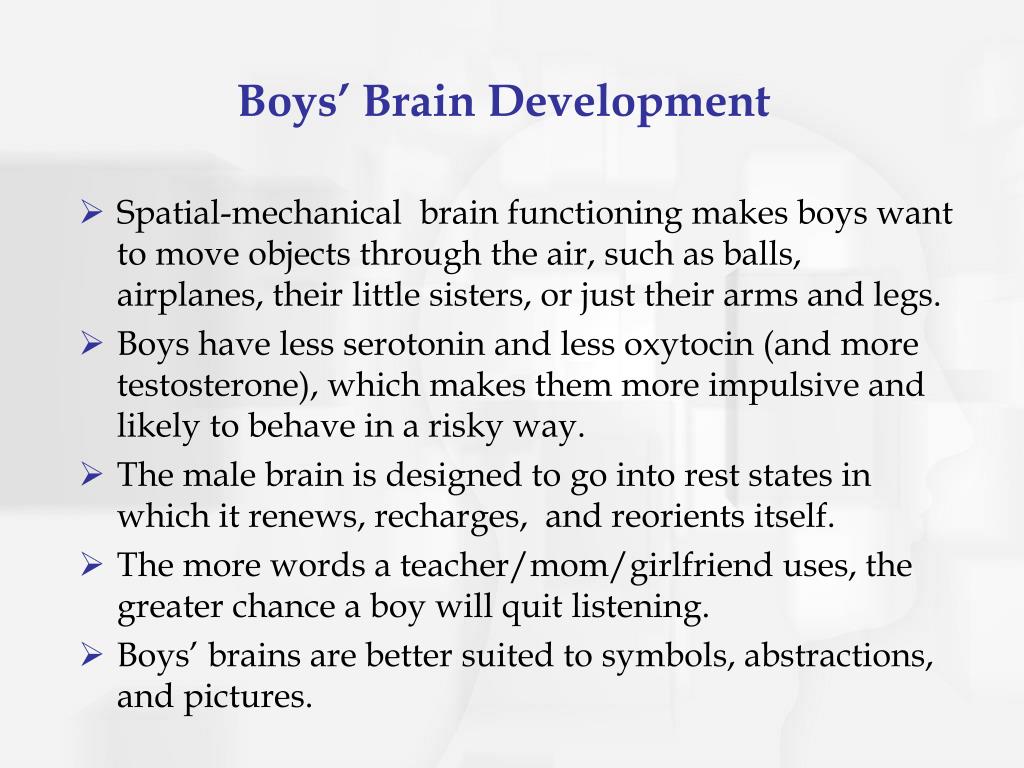
- The Brain’s Chemical Cocktail: Testosterone doesn’t just build muscles; it profoundly affects brain chemistry. It increases impulsivity, fuels a desire for risk and novelty, and heightens the drive to compete and test limits. This isn’t him being “bad”—it’s his biology urging him to step onto what Maggie Dent calls “the bridge to manhood.” Concurrently, cortisol (the stress hormone) levels can be high, and boys often seek dopamine-releasing activities (like rough play, video games, or silliness) to self-soothe and feel good. This complex dance of chemicals explains the baffling mix of lethargy and explosive energy.
The Neurological Renovation: Pruning, Wiring, and a Single Focus
While his body is changing, his boy brain development is undergoing a construction project of epic proportions. The adolescent brain systematically “prunes” away unused neural connections to strengthen the most frequently used pathways, making it more efficient. This process starts in the back of the brain and moves forward, finally reaching the prefrontal cortex—the CEO of the brain—last.
- The Prefrontal Cortex Lag: The prefrontal cortex governs executive functions: impulse control, foresight, planning, and considering consequences. During adolescence in boys, this area is under major construction and often “offline.” This is why your seemingly intelligent son does inexplicably foolish things (like jumping off a roof to see if he can fly). He’s not stupid; his brain’s brake system is literally being rewired.
- The “Single Focus” Male Brain: Neurological imaging shows distinct differences in how male and female brains often process information. As Maggie Dent explains, boys frequently operate with a “single focus” system. When a boy is engrossed in a game, a thought, or a project, he may genuinely not hear you call him. It’s not deliberate disobedience; his brain is channel-deep. This also impacts memory for things he’s not interested in, leading to the classic “I forgot” scenarios that drive parents mad. This male brain development trait means instructions need to be clear, concise, and given when you have his focused attention.
- Emotional Processing: Body Before Words: One of the most critical insights for parenting boys is understanding their emotional processing. When the emotional center (limbic system) fires up, research shows the signal in many boys goes to the areas related to physical action before it reaches the verbal centers. This is why a boy might shove, kick, or storm out when upset rather than articulate “I’m feeling hurt and frustrated.” He is feeling the emotion intensely, but it manifests physically first. Nagging him to “use his words” in the heat of the moment can increase his shame and frustration.
The Perfect Storm: Confusion, Shame, and the “Man Box”
This collision of physical awkwardness, hormonal chaos, and a rewiring brain creates a perfect storm of stress and confusion. He is bombarded by emotional changes he doesn’t understand and can’t always name. When adults tell him to “act his age” or “be more responsible,” he often internalizes this as “I am stupid” or “I am a failure.”
This is compounded by societal pressures—the “man box”—that condition him to believe he must be stoic, tough, and suppress vulnerable feelings like fear, sadness, or uncertainty. As Maggie Dent’s conversations with grown men reveal, this shame can run so deep that men never share childhood wounds with their spouses for fear of being seen as unlovable. Your role is to provide a safe counter-narrative: that strength includes emotional awareness, that mistakes are part of learning, and that his worth is not based on a perfect performance.
How to Be the Bridge: Practical Support Through the Transformation
- Reframe His Behavior: See the grumpiness, forgetfulness, and risk-taking not as personal attacks but as symptoms of the great transformation. Say to yourself, “It’s the construction, not the occupant.”
- Connect Before You Redirect: Before barking orders, get into his world. A hand on the shoulder, joining him in what he’s doing for a moment. This helps his single focus brain switch gears.
- Use Physical Outlets: Channel the physical energy and emotional stress. Encourage sports, martial arts, yard work, or a punching bag. Movement helps regulate his brain chemistry.
- Teach Emotional Vocabulary Gently: When he’s calm (often hours or a day after an outburst), help him decode feelings. “Yesterday when your brother took your controller, you got really hot. That big feeling might have been frustration. Does that fit?”
- Prioritize Safety and Connection Over Control: Save your biggest reactions for issues of safety and kindness. Let smaller issues (messy rooms, forgotten chores) be learning opportunities with consistent, calm consequences.
Conclusion: From Chaos to Character
The journey of adolescence in boys is turbulent, but it is also purposeful. This great transformation is nature’s way of breaking down the boy to build the man. The impulsivity and risk-taking, when guided, become courage and initiative. The single-minded focus becomes dedication and expertise. The physical power becomes protection and provision.
By understanding the incredible internal work of boy brain development and male brain development, you shift from being an adversary of the changes to a compassionate guide. You become the steady rail on his bridge, not trying to stop the construction but helping him navigate it safely, ensuring he emerges on the other side not just as a grown body, but as a man of strong mind, resilient heart, and capable character. The alien phase is temporary; the man you’re helping to build is forever.
Comments (Write a comment)
Showing comments related to this blog.