From Unsurprised to Unstoppable: Mastering the Character Arc's Core Shift
Introduction
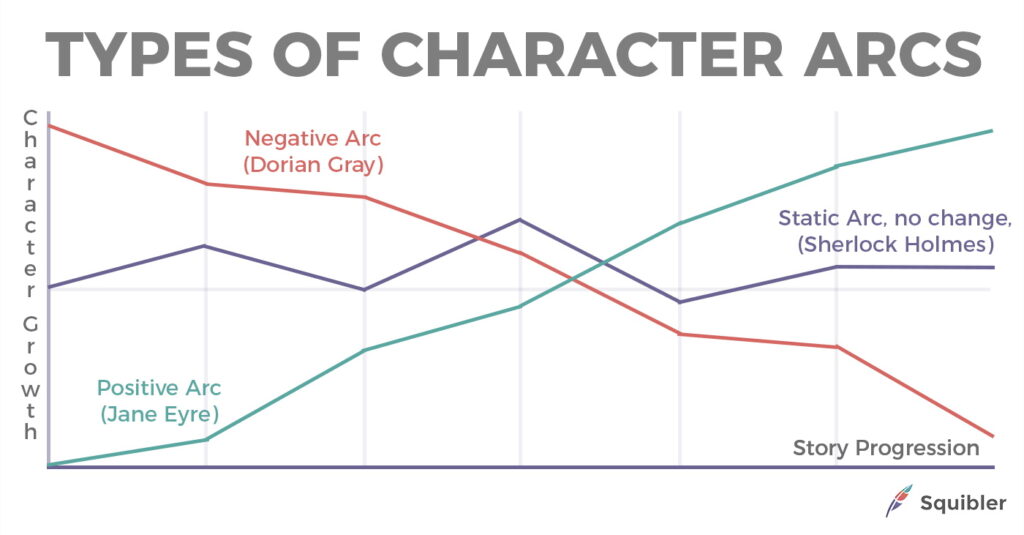
Every novelist knows that a compelling character arc is the engine of a great story. But how do you design a character who is ready for that change without making them immediately proactive? The secret lies in a concept that can be summarized as: Start your character in stasis, then shatter their reality. The most powerful stories don't begin with a character actively seeking transformation; they begin with a character who believes they are beyond it—a state of being "un-surpriseable".
This post dives into how to create that powerful dynamic, ensuring your protagonist’s journey delivers maximum emotional impact by focusing on their deepest, most guarded truth: their core fear.
1. The Opening State of Stasis: Beyond Surprise
Your protagonist should begin their story in a state of carefully managed equilibrium, believing their current approach to life is functional, even if it’s deeply flawed. They may be cynical, emotionally closed off, or simply operating on faulty assumptions.
The Goal: The character should be positioned where "nothing could surprise him". This doesn't mean they are invincible; it means they have built a rigid worldview that shields them from emotional or psychological harm. They think they know how the world works, and they’re managing just fine, thank you. This perceived completeness is what makes the forthcoming external shock so devastating.
2. The Door-Opening Incident (Catalyst)
If the character is in stasis, you need a story event—the inciting incident—that is so potent, it cracks their protective shell and forces them to confront a new reality.
Actionable Tip: The catalyst must be specifically tailored to the character's stasis. If your character believes they have everything under control (stasis), the inciting incident should be something wildly unpredictable that proves their control is an illusion. It is the event that "opens the door" to the possibility of change and growth, kicking off their internal arc. For a short story or novel section, this shift needs to happen quickly and effectively, avoiding unnecessary backstory or lengthy cold opens.
3. Making the Core Fear the Main Conflict
Once the door is open, the true conflict begins. A character is fundamentally defined by their deepest desires, flaws, and—most importantly—their deepest fear. This core fear is what dictates the character's defensive stasis at the start, and it must be the central obstacle they face.
The Narrative Rule: Structure your story so that the protagonist is forced to directly confront this one central fear. This fear is the emotional why behind all their actions. A compelling story forces the character into a situation where they must either overcome this biggest fear, or lose everything they value in the process. The stakes are raised because the internal consequence is a failure to grow, which is often more profound than the external stakes.
4. Synthesis: Truth in Reinvention
Even when writing about established archetypes or licensed characters (like in comics), the way to make them feel fresh and real is to find the core truth that exists within them and build everything from there.
For your original characters, this means: peel back the layers until you find the authentic human element—the simple, relatable flaw or desire—and use that as the foundation for their dramatic journey. If you can find the truth in that core human element, your characters will resonate far more with readers. Sometimes, the best dramatic moments come from showing the opposite of what is expected, giving the character a moment of surprising emotion (like fear or despair) that undercuts their facade.
Conclusion
The master key to a powerful character arc is not the change itself, but the journey from rigidity to flexibility. Begin with a character convinced they are complete, introduce an event that makes the possibility of change undeniable, and then relentlessly pursue their core fear until they either conquer it or are consumed by it. This method ensures your story delivers a satisfying emotional payoff.
Practical Tip/Worksheet Idea
The Core Fear Challenge: Write a two-sentence summary of your protagonist's Biggest Fear and their Opening Stasis. Then, write one paragraph detailing the single event—the Inciting Incident—that completely invalidates their stasis and forces them into conflict with that fear. Make it as personal and inescapable as possible.
Comments (Write a comment)
Showing comments related to this blog.